




DRC: Peace Talks Continue, but AFC/M23 Keeps Intensifying Military Preparations
As peace negotiations on eastern DRC continue, AFC/M23 says it has trained 9,318 new commandos, raising concerns that the movement is expanding its military capacity during the diplomatic process.
Available in
As diplomatic efforts continue to seek an end to the long-running conflict in the eastern Democratic Republic of Congo (DRC), the AFC/M23 rebel movement appears to be pressing ahead with efforts to strengthen its military capabilities. Although ceasefire calls from various parties have reduced the intensity of fighting in some areas, hostilities have not completely ceased, and military activities continue.
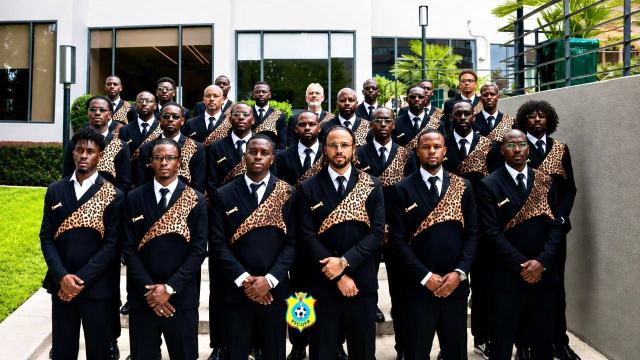
This month, in Tchanzu, Rutshuru Territory, North Kivu Province, the rebels, who have been fighting the government in Kinshasa for years, held a graduation ceremony for what they described as an intensive military training program involving approximately 9,318 newly trained soldiers.
General Sultani Makenga, the movement's military commander, said the new commandos were ready for deployment to the battlefield, stating that their mission was to protect civilians and continue the struggle to "liberate eastern Congo."
The development raises questions as major powers and international organizations continue urging all parties to pursue dialogue and implement commitments contained in various agreements, including the Washington Accord, while AFC/M23 continues recruiting additional fighters and seeking more advanced weaponry.
The latest developments suggest the group could be using the current lull in fighting to expand its ranks, improve its military preparedness, and strengthen its operational capacity ahead of any renewed large-scale confrontation.
"We control a large area, and the territory under our control must continue to expand. That is why we need more troops," General Sultani Makenga said in his speech.
His remarks come as peace negotiations backed by the United States, Qatar, and the African Union continue seeking ways to reduce tensions between Kinshasa and Kigali while encouraging all parties to halt military operations.
A report published by the United Nations Group of Experts in June 2026 estimated that AFC/M23 had approximately 30,000 fighters. According to the report, the force includes former M23 combatants, newly recruited members, former soldiers of the Armed Forces of the Democratic Republic of the Congo (FARDC), police officers, and fighters from other Congolese armed groups who joined or were integrated into AFC/M23.
When combined with the 9,318 newly trained commandos announced in Tchanzu, the figures suggest the movement could now be approaching nearly 40,000 fighters, although that estimate has not been officially confirmed by the UN Group of Experts.
This is not the first time AFC/M23 has announced the graduation of large numbers of recruits. In September 2025, it said 7,437 commandos completed basic military training in Rumangabo. In October 2025, it announced another 9,350 graduates in Tchanzu. In February 2026, it reported that 7,532 additional commandos had completed training in Tchanzu, while in March 2026, 1,518 special forces commandos graduated in Rumangabo.
Analysts say the continued recruitment and training of large numbers of fighters during ongoing peace negotiations could raise fresh concerns about the future of the peace process. They argue that when parties continue strengthening their military capabilities while negotiations are underway, confidence in achieving a lasting settlement may be undermined.
Recent UN Group of Experts reports on the DRC (S/2026/534 and S/2026/466) also state that approximately 18,000 Rwandan Defence Force (RDF) troops are present in eastern DRC.
The United Nations has continued to state that Rwandan forces maintain close military cooperation with AFC/M23, allegations that Rwanda has consistently denied. Kigali says its security measures are aimed at protecting its national security and countering the Democratic Forces for the Liberation of Rwanda (FDLR), which it says continues to pose a security threat along its border.
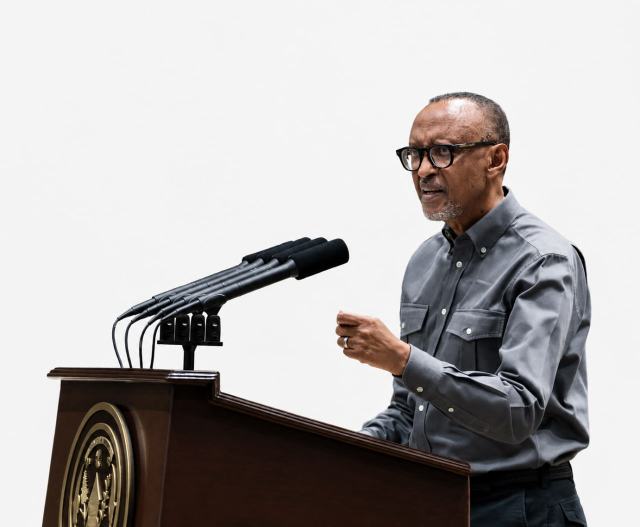
For his part, President Paul Kagame's recent public speeches have offered no indication that Rwanda is preparing to withdraw from the DRC or end its military operations in the near future. Instead, he has repeatedly stated that Rwanda will continue protecting its security interests until its concerns are addressed.
Kagame has also made remarks indicating that he has no intention of changing Rwanda's position under international pressure, declaring: "I will only keep quiet when I am dead." He further argued that, in his view, attempts to "eliminate M23" are closely linked to efforts to place Rwanda itself in danger.
The continued expansion of AFC/M23's fighting force, combined with UN reports alleging Rwandan support for the movement and statements by Rwandan leaders indicating no immediate intention to alter their military posture, has led some analysts to conclude that the path toward a lasting peace in eastern DRC remains long and fraught with significant challenges.
Loading comments…
Reader comments
Join the conversation