





The Rubaya Midnight Rush and How Rwanda’s Desperate Mineral Grab Signals the Weakening of the Kagame Regime.
A high-stakes geopolitical crisis is unfolding in the Great Lakes region of Africa. On the night of July 6, 2026, the Rwandan government covertly transported more than 300 civilian youths across the border into the Democratic Republic of Congo (DRC) to conduct forced, high-velocity mineral extraction at the Rubaya mines.
This desperate escalation directly follows a strict mid-July deadline set by the United States for the complete withdrawal of the Rwanda Defence Force (RDF) from Congolese territory. It also follows sweeping U.S. Treasury sanctions that froze the operations of Kigali’s primary mineral laundering hub, Gasabo Gold Refinery Ltd. By deploying its own youth as short-term asset strip-miners under the cover of darkness, the regime of President Paul Kagame has signaled a dangerous structural shift. Faced with an impending military retreat and an aggressive Western financial blockade, the regime is rapidly pivoting from systemic, long-term resource exploitation to an erratic, high-risk "smash-and-grab" operation. This analytical report breaks down how this single event exposes the fatal vulnerabilities now destabilizing the Kagame regime.
For over two decades, Kigali’s economic model has relied on an open secret: the systemic plundering of eastern DRC's mineral wealth, specifically coltan, gold, and gemstones, to finance its domestic budget, infrastructure, and elite patronage networks. Historically, this network operated with a degree of structural insulation. The regime utilized local proxies, such as the M23 rebel movement, and local Congolese laborers to keep extraction costs low and maintain plausible deniability. The midnight deployment of 300 Rwandan youths fundamentally shatters this operational playbook. Forcing domestic youth into active conflict zones to strip-mine resources under extreme pressure indicates that the regime no longer has the luxury of time. This is not sustainable resource management; it is a panic-driven asset-stripping operation.
The mandate given to these youths to work relentlessly for immediate bonuses within a tightly constrained window,proves that Kigali is actively counting down the days until its access to the Rubaya mines is permanently severed. The Multi-Pronged U.S. Squeeze: Deadlines and Sanctions The primary catalyst for this frantic escalation is a rare, coordinated display of diplomatic and economic enforcement by Washington: The Mid-July Military Ultimatum. The United States has drawn a strict line, demanding the total withdrawal of Rwandan troops from the DRC by mid-July. Without RDF boots on the ground to secure the perimeters, guard transport routes, and deter the Congolese military (FARDC), Rwanda's physical control over lucrative mining nodes like Rubaya will disintegrate.
The Financial Chokehold on Gasabo Gold Refinery: On June 25, 2026, the U.S. Treasury exacted a devastating blow by sanctioning Rwandan mining firms and freezing the operations of Gasabo Gold Refinery Ltd in Kigali. Gasabo was the crown jewel of Rwanda's conflict mineral laundering apparatus. It allowed smuggled, untraceable blood minerals from the DRC to be refined, stamped with Rwandan origin certifications, and sold legally on the global market. By freezing Gasabo, the U.S. has severed the primary artery converting raw smuggled ore into legitimate state revenue. With its main financial processing hub paralyzed and its military protection expiring in days, the regime is grabbing whatever raw volume it can before the iron curtain falls.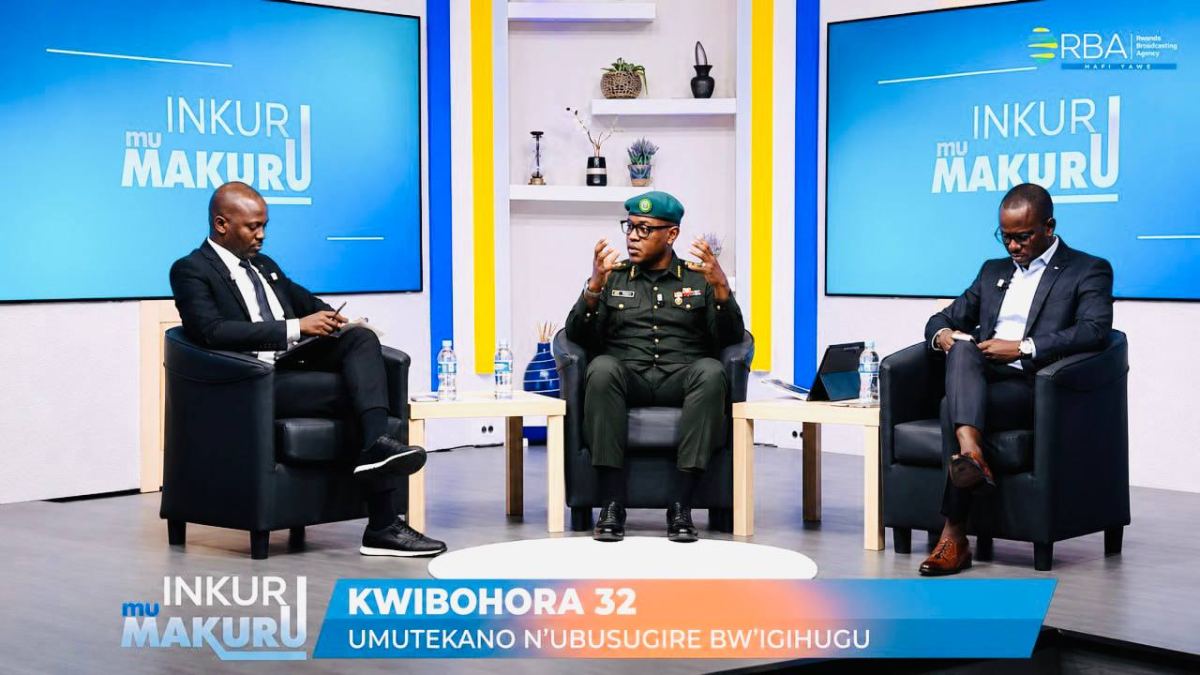 The regime's internal contradictions are spilling out into public view. During a recent broadcast on Rwanda Television (RTV) hosted by journalist Divin Uwayo, Brigadier General (Rtd) Andrew Karuretwa,who recently replaced Col. Ronald Rwivanga, as part of Kagame's pressured military reshuffle,engaged in a highly telling debate with Senator Evode Uwizeyimana. Karuretwa explicitly stated that Rwanda would not withdraw its "defensive measures" (a euphemistic confirmation of RDF troops) from the DRC.This public defiance reveals a deep-seated panic within Kigali’s elite. The regime cannot easily comply with the U.S. withdrawal mandate without bankrupting its security apparatus, yet it cannot openly defy Washington without inviting systemic sanctions that would completely freeze the domestic economy.
The compromise is the illegal Rubaya operation: using civilian youth as a deniable, desperate labor force to extract maximum value while military leaders project an illusion of unyielding defiance on state television. While Kagame has successfully navigated international scrutiny in the past, the Rubaya youth deployment is a critical strategic blunder that will accelerate the regime's destabilization in three distinct ways:
Total Erosion of International Plausible Deniability: For years, Kigali fiercely denied direct state complicity in the looting of the DRC, attributing the illicit trade to rogue militias or informal cross-border smuggling networks. Moving 300+ Rwandan youths across an international border in state-coordinated vehicle convoys during the dead of night provides undeniable proof of state-sponsored trafficking.
The video evidence captured by these youths provides Western policymakers with the smoking gun needed to justify secondary sanctions against Rwanda’s wider banking and political elite.
The Spark for Domestic Backlash: The Kagame regime has long maintained absolute domestic control by positioning itself as the guarantor of security, order, and economic modernization for Rwandan youth. Sending young citizens into an active foreign war zone to operate as forced manual laborers under hazardous conditions shatters this domestic social contract. As news of this exploitation filters back to families in Kigali and rural provinces, it will fuel unprecedented internal resentment against an elite that treats its young population as disposable capital for conflict-mineral laundering.
Financial Asphyxiation: Mining without a functional refining and laundering apparatus is economically unviable in the long term. With Gasabo Gold Refinery blacklisted from the international financial system, Rwanda cannot easily sell these newly extracted gemstones or minerals to legitimate global buyers.
Kigali will be forced to rely on highly discounted underground black markets, drastically reducing profit margins while operational and military protection costs continue to skyrocket.
The midnight rush at Rubaya is not a display of Rwandan strength; it is the ultimate symptom of systemic vulnerability. President Paul Kagame is caught in a closing vise between an unyielding U.S. military withdrawal deadline and an aggressive financial blockade. By treating the DRC’s mineral wealth like a sinking ship that must be stripped of its brass before it goes under, the RPF regime has exposed its own expiration date. This reckless operation strips away the regime’s remaining international cover, alienates its domestic youth base, and signals to the world that the economic foundations of the Kagame autocracy are fracturing under pressure.
Related coverage
More from Congo
 Breaking

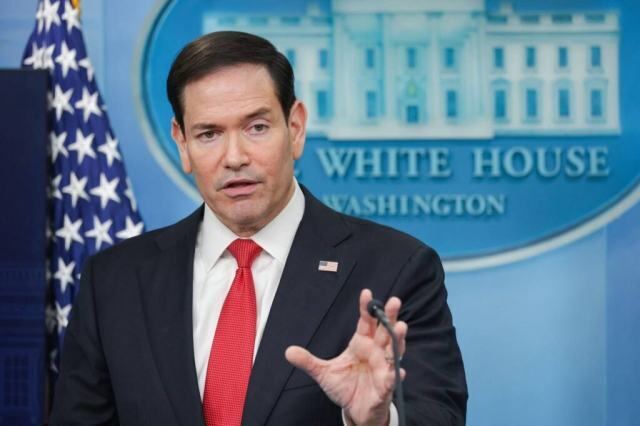
Washington Draws a Red Line: Kagame Faces Mounting Pressure to Pull Rwandan Troops Out of Congo.
For years, Paul Kagame’s government has weathered international criticism over Rwanda’s role in the conflict i...
Loading comments…
Reader comments
Join the conversation