







BPR The Deal That Left Ordinary Shareholders Asking Where Their Money Went.
For decades, ordinary Rwandans were connected to Bank Populaire du Rwanda (BPR) through a system built around community savings, cooperative banking, and local participation. The institution was created in 1975 as a network of cooperative “people’s banks,” becoming one of the country’s most recognized financial institutions.
After years of restructuring, ownership changes, and expansion, many former shareholders say they were left with little financial benefit from an institution they believed they helped build. Their complaints focus on lost value, unclear ownership records, lack of dividends, and decisions that they say happened without meaningful involvement from ordinary shareholders.
In 2007, BPR changed from a cooperative structure into a commercial bank. Under this transformation, previous cooperative members became shareholders. However, according to complaints raised by affected shareholders, many people became owners without having clear information about their rights, the value of their shares, or how they could benefit from their ownership.
The transition was complicated by incomplete records and difficulties in identifying shareholders. Some records were affected by historical disruptions, aging systems, and administrative challenges. Years later, many shareholders claimed that they had only discovered the existence of their shares after significant changes had already taken place.
The number of affected people has been a major part of the dispute. Reports have cited approximately 576,245 shareholders connected to BPR by 2026, with more than 528,000 minority shareholders reportedly holding around 12.44% of equity while facing verification challenges. For many of these shareholders, the main complaint has been the absence of meaningful returns.
Some reported receiving payments as low as Rwf300, while others reported receiving around Rwf1,900 after approximately 20 years of ownership. They argue that such amounts did not reflect the value they expected from an investment connected to a major banking institution.
In 2013, the National Bank of Rwanda increased the minimum capital requirement from Rwf15 billion to Rwf30 billion. During the recapitalization period, Rabobank acquired approximately 14% of the bank, while Atlas Mara later acquired a majority position of about 62%.
In 2020, Atlas Mara sold its stake to Kenya’s KCB Group. In 2021, KCB completed the acquisition for approximately US$32 million, eventually holding about 87.5% of BPR, while local shareholders retained a minority stake. These ownership changes occurred without sufficient consultation or explanation to ordinary investors. They lacked the information and influence available to larger financial actors. They say they were unable to properly understand the value of their holdings or participate in decisions affecting their ownership.
Shareholders say that despite BPR continuing to operate and grow, many original owners received no financial returns for years. Reports indicate that only limited dividend distributions occurred, including a later payment of approximately Rwf4.3 billion, equivalent to around Rwf53 per share, described as only the second dividend payout in the bank’s approximately 50-year history.
For shareholders who waited decades, the delay represented lost income and missed opportunities. In 2010, the National Bank of Rwanda intervened after the arrest of BPR Deputy CEO Dieudonné Murekezi over funds management and the misuse of funds, contributing to governance problems. Public information does not provide a complete independent forensic report detailing the full outcome.
The intervention resulted in leadership changes and increased controls. However, critics argue that the public never received a complete explanation of the events, the responsibility, or whether all related concerns were fully investigated. The absence of a publicly available independent forensic audit has remained a central criticism among those demanding accountability.
BPR’s later restructuring also generated complaints about changes to its traditional role. During the Atlas Mara period, critics pointed to reports of branch closures, including approximately 20 branches and more than 300 affected jobs. Further consolidation under KCB reportedly resulted in additional branch reductions, including around 31 branches by 2024 and these changes weakened the relationship between BPR and the communities that historically supported it.
In June 2022, parliamentary discussions raised concerns about missing shareholder information, ownership rights, and the lack of benefits received by many investors. Lawmakers questioned the situation of citizens who remained shareholders but struggled to access information about their investments. The complaints continued into 2025, when President Paul Kagame directed the Finance to address concerns raised by former BPR investors; however, the authorities had an unfair advantage and influence and acted too slowly after years of complaints. Shareholders suggested that certain actors have benefited from BPR’s transformation, while ordinary shareholders bore the consequences. No court ruling has established a corruption scheme covering the entire dispute.
The continuing dispute is centered on demands for transparency, documentation, and accountability from affected shareholders. They continue seeking clarity about the valuation of their shares, the handling of ownership records, the years without dividends, and the decisions that shaped the bank’s transformation. The BPR case remains one of the country’s most significant shareholder disputes, involving questions about investor protection, corporate governance, and the treatment of small investors during major financial restructuring.
Related coverage
More from Investigations
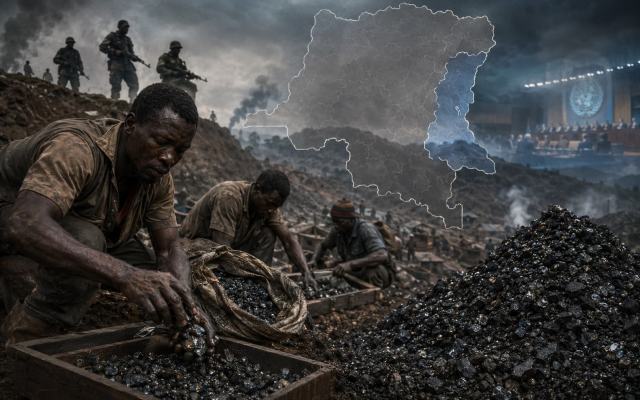
DRC's Critical Minerals: The Plunder Must End, and Its Sovereignty Must Be Respected
This report examines how the illicit exploitation and trafficking of critical minerals continue to fuel confli...

RPF-Inkotanyi Moves to Offload Business Empire Amid Mounting Fears of More U.S. Sanctions
The ruling RPF-Inkotanyi is reportedly restructuring business interests held through Crystal Ventures Limited...

Loading comments…
Reader comments
Join the conversation