






Tension between Minister Dr. Damascene Bizimana and Bernard Makuza.
A high-profile political rift has opened within Rwanda's elite, signaled by a sarcastic public exchange between former Prime Minister Bernard Makuza and Dr. Jean-Damascène Bizimana, the Minister of National Unity and Civic Engagement. The friction burst into the open when Makuza mockingly labeled Bizimana a "gihangange",a Kinyarwanda word meaning "giant," used here to needle the Minister following months of public lectures targeting the political record of Makuza’s late father, Anastase Makuza. While Bizimana constantly attacks his father in the name of recounting Rwanda’s pre-independence history, Makuza views it as a targeted smear campaign operating with the direct backing of President Paul Kagame. Though centered on events from decades ago, this clash has captivated onlookers because it strikes at the heart of Rwanda's most sensitive modern debates: who controls the historical narrative, how founding figures are remembered, and whether the political choices of one generation should dictate the reputation of the next.
To understand why those speeches attracted attention, it helps to go back to Rwanda in the 1950s. Who was Anastase Makuza?
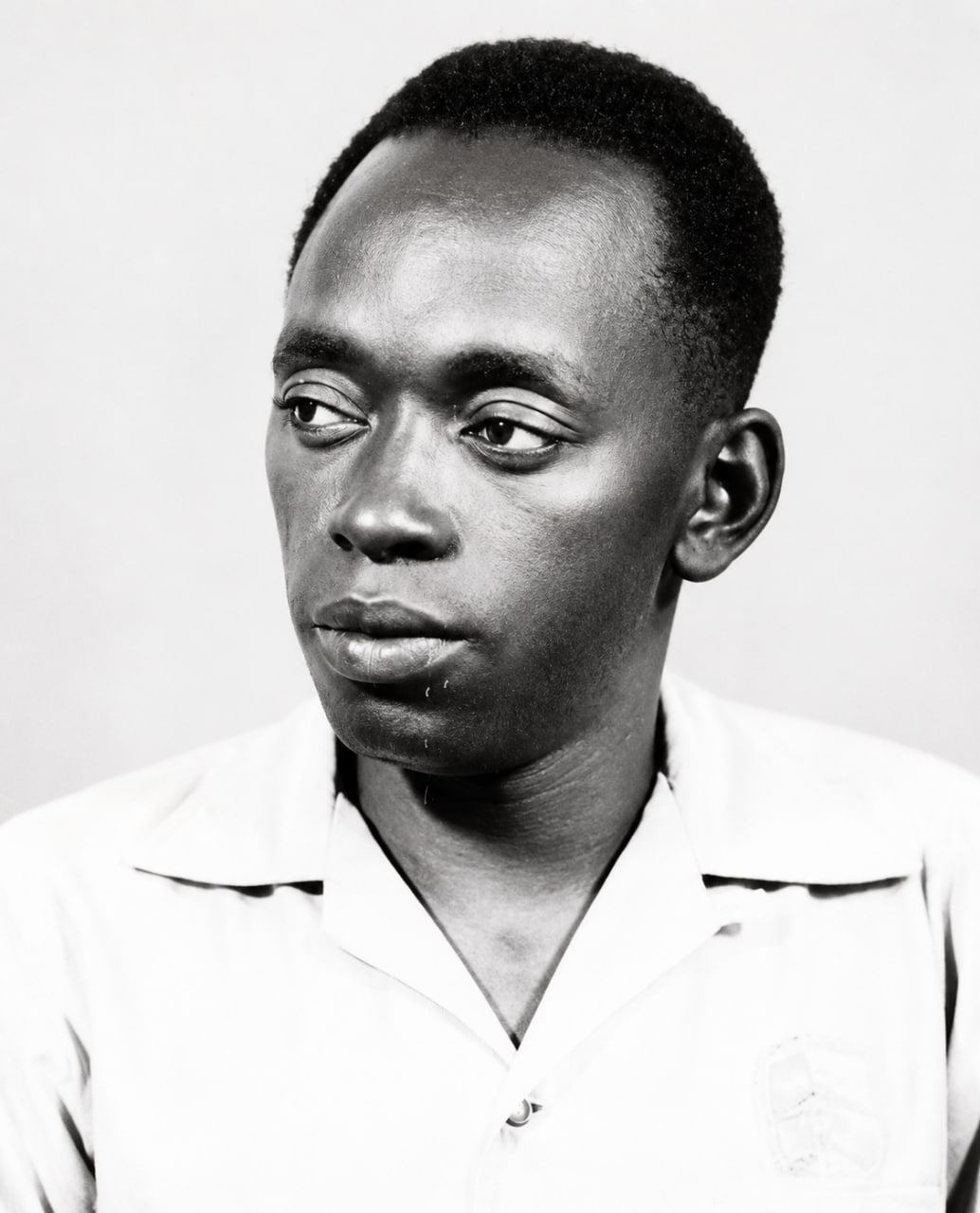
Anastase Makuza was among the leading figures of PARMEHUTU during the years when Belgium was preparing Rwanda for independence. At the time, political leaders disagreed not only about when independence should come but also about the conditions under which it should happen.
The monarchist UNAR party called for independence under the existing political system. PARMEHUTU leaders, including Grégoire Kayibanda and Anastase Makuza, took a different position. They argued that Rwanda first needed to address the ubuhake system, a traditional patron-client relationship that many viewed as reinforcing unequal social and political power.
Historical accounts describe Makuza as one of the leaders who presented these concerns to representatives of the United Nations, explaining why social reform was, in his view, inseparable from independence itself. His supporters remember him as someone who sought greater political participation for ordinary Hutu citizens. Others see the movement he helped build as contributing to ethnic divisions that later shaped Rwanda's history. Those different readings of the past have never completely disappeared.
One of the written records often cited from that period comes from Belgian colonial administrator Louis Jaspers. In his memoir, Ma vie d'administrateur au Congo belge et au Ruanda-Urundi, Jaspers recalls that Anastase Makuza became one of the first Rwandans to hold a senior administrative post under Belgian rule.
Jaspers also recounts a Christmas gathering in 1955 that stayed with him. While reviewing a guest list, he noticed that one employee had been left out. When he asked why, his secretary reportedly explained that inviting the worker would also mean inviting his wife, and his own wife refused to sit beside a Hutu woman. Jaspers wrote that the exchange left him deeply surprised, recording it as an example of the social divisions he witnessed during his time in Rwanda.
Another detail that adds an unexpected dimension to today's dispute is the reported family relationship between Bernard Makuza and President Paul Kagame. According to historical accounts, Anastase Makuza married into a family connected to Rwanda's former royal establishment, and some accounts state that Bernard Makuza and President Kagame are first cousins through their maternal families. If accurate, it is a reminder that Rwanda's political history often overlaps with family history in ways that are not immediately obvious.
Bernard Makuza later built a long career in government. He served as Rwanda's Prime Minister from 2000 to 2011, became President of the Senate from 2014 to 2019, and also represented Rwanda abroad as ambassador to Germany and Burundi. For years he was regarded as one of the country's most experienced public officials, making his recent exchange with Minister Bizimana particularly notable.
In a recent public speech by President Kagame, he said that there is no one who cannot be talked about, and that even if they label you as having played a role in the genocide when you did not do it, you must defend yourself instead of throwing a tantrum and saying you should not be talked about.
In recent days, Bernard Makuza's father has been targeted by Bizimana, who claims his father was a sectarian person who discriminated against people. Supporters of Kagame's government have also continued to attack Makuza, just as they attack all other Hutus who refuse to accept that they must follow Kagame’s line of labeling all Hutus as bad so that they live with perpetual guilt.
This appears to be a serious issue, and on November 25, 2013, Makuza asked for forgiveness because his father was unable to unite Rwandans. This contradicts the principle that criminal responsibility is individual.
The exchanges between Bizimana and Makuza show that Rwanda's pre-independence history remains part of its present-day political conversation. Questions about historical interpretation, accountability, and national memory continue to attract attention because they involve more than events from the past; they influence how many people understand the country's political journey today.
Related coverage
Loading comments…
Reader comments
Join the conversation