
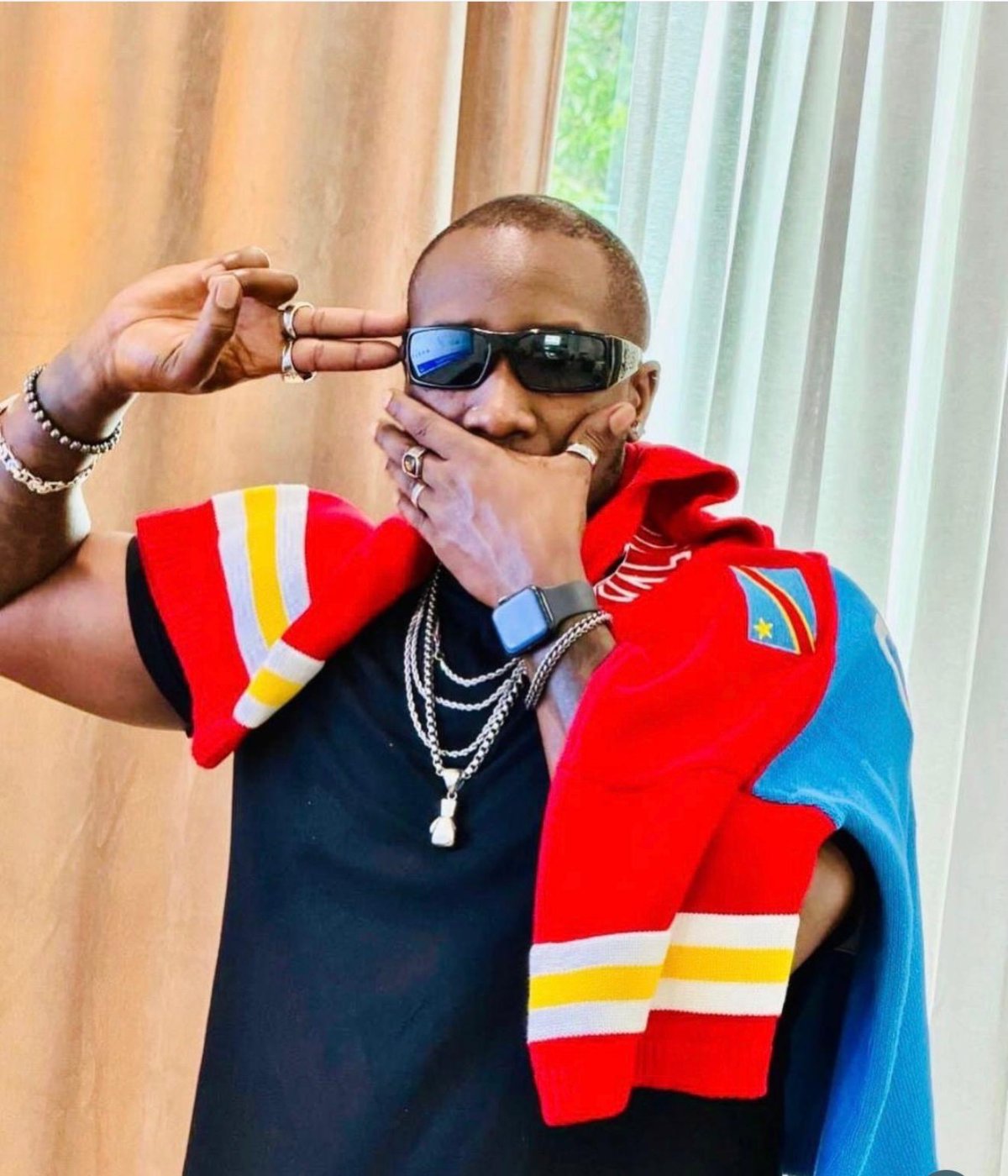






Kagame's New Monument Reinforces a Politics Built on Genocide Memory.
President Paul Kagame's latest meeting with the renowned architectural firm Studio Libeskind to discuss Rwanda's future National Genocide Monument has been presented as another step toward preserving the memory of the 1994 Genocide against the Tutsi. The government describes the project as a place for remembrance, education, and reflection for future generations.
Yet the announcement has also revived a long-standing debate among some government critics about how genocide remembrance is used in Rwanda's political and economic strategy.
Few dispute the importance of memorializing one of Africa's darkest chapters. Genocide memorials serve as places of mourning, historical education, and a reminder of the consequences of hatred and mass violence. The question is not whether remembrance matters, but whether remembrance has become increasingly intertwined with political legitimacy and international branding.
For years, Kagame's government has built much of its international identity around the narrative that it ended the genocide and transformed Rwanda into a model of stability and development. The legacy of the genocide has become central to the government's political messaging, shaping both domestic politics and its image abroad.
New memorial projects risk reinforcing a model in which genocide remembrance is increasingly integrated into Rwanda’s tourism industry and international public diplomacy. Rwanda already promotes memorial sites as destinations for visiting dignitaries, students, researchers, and international tourists. The proposed National Genocide Monument could further strengthen that role by becoming a flagship destination within the country's broader tourism and conference economy.
Expanding high-profile memorial infrastructure shouldn’t take precedence over investing in the maintenance of existing memorials, many of which families of victims have said require greater attention and preservation.
The timing of the announcement has also drawn attention. It comes as Rwanda faces heightened international scrutiny over crimes concerning its role in the conflict in the eastern Democratic Republic of the Congo, including recent U.S. sanctions targeting Rwandan mining entities accused of involvement in conflict-mineral networks linked to M23. Against that backdrop, major remembrance initiatives also reinforce Rwanda's preferred international narrative at a moment of growing diplomatic pressure.
More broadly, most Rwandans contend that remembrance has become closely linked to political legitimacy within Rwanda. References to the genocide are frequently central to official narratives about national unity, security, and the government's historic role, while opponents have, at times, discussions surrounding the genocide can overlap with debates about political dissent and public discourse.
Ultimately, the debate surrounding the proposed monument extends beyond architecture. It reflects competing views about how a nation remembers tragedy, how historical memory shapes political identity, and how remembrance should balance education, commemoration, reconciliation, and economic development.
The monument may become a powerful symbol of remembrance. Whether it is remembered primarily as a place of mourning, a national landmark, or part of Rwanda's broader strategy of international branding will remain a subject of debate among historians, survivors, policymakers, and critics alike.
Related coverage
More from Rwanda
Rwanda: Oaths of Loyalty Under Scrutiny as Critics Warn of Political Intimidation
A debate over political loyalty oaths in Rwanda is raising questions about freedom of association, the right t...
BADRAMA: “They Say I Must Be Killed Because I Crossed a Red Line”
BADRAMA says his human-rights advocacy and political commentary have placed his life in danger, alleging repea...
Disorderly Governance within the FPR Inkotanyi Administration as a Major Cause of Losses for Many Investors
The closure of several alcoholic beverage manufacturers has renewed debate over Rwanda FDA’s oversight, coordi...
Loading comments…
Reader comments
Join the conversation