




Beyond Blood Minerals in Congo, the Mountain Gorilla Became Kagame’s Global Political Shield.
For decades, Rwanda has built one of Africa’s most powerful international images around the mountain gorilla. The animal has become the centerpiece of a luxury tourism industry and a symbol of Rwanda’s transformation under President Paul Kagame.
Through global conservation campaigns and events such as Kwita Izina, Rwanda presents itself as a nation of environmental protection, stability, and progress. The mountain gorilla has become one of the country’s most valuable diplomatic assets, attracting tourism, investment, and international recognition.
But beyond the image of protected forests and rare wildlife lies a deeper regional reality. Eastern Congo, home to the same Virunga ecosystem, has faced decades of conflict, displacement, and competition over natural resources. As insecurity has weakened conservation efforts in Congo, Rwanda has strengthened its position as the stable destination where the world comes to see the mountain gorillas.
The result is a striking contradiction: Rwanda’s military involvement in Congo’s conflicts, including accusations of intervention and support for armed groups in the east, has been linked to instability that has damaged Congo’s forests and conservation systems. At the same time, Rwanda has gained economic and diplomatic benefits from the same Virunga ecosystem through its successful gorilla tourism industry.
The Gorilla Economy and the Shadow of War
The Virunga Massif stretches across Rwanda, the Democratic Republic of Congo (DRC), and Uganda. Mountain gorillas move naturally across this landscape, following food sources, territory, and ecological conditions rather than human borders. However, conflict has changed the balance of conservation in the region.
In eastern Congo, years of fighting have weakened protection inside national parks. Armed groups, insecurity, and displacement have damaged forests and made conservation increasingly difficult. Rangers have faced threats, communities have been displaced, and protected areas have become more vulnerable to illegal logging, charcoal production, poaching, and wildlife trafficking.
The impact on gorillas has been severe. The major threat has not been a simple movement of gorillas away from Congo, but the collapse of the security conditions needed to protect their habitat.
Some gorillas have crossed borders through natural movement, changes in territory, rescue operations, or wildlife trafficking cases, as the mountain gorillas of Rwanda, Congo, and Uganda remain part of one connected population within the Virunga ecosystem.
However, years of conflict and insecurity in eastern Congo have affected where gorillas safely live and where conservation efforts can operate. As violence, armed groups, and habitat destruction have made parts of the Congo increasingly dangerous for wildlife protection, gorilla groups are shifting their ranges toward more secure areas of the shared ecosystem in Rwanda.
This creates a major advantage for Rwanda. While Congo struggles to protect its forests and maintain conservation operations under instability, Rwanda benefits from a safer environment in which gorilla tourism can expand, bringing revenue, international attention, and diplomatic value.
Conservation, Image, and Political Power
Rwanda’s gorilla tourism success is not only an environmental story, but it is also a story of international influence.
The country has transformed the mountain gorilla into a global brand. Visitors, conservation organizations, and international partners associate Rwanda with wildlife protection and successful tourism management. That image has strengthened Kagame’s international reputation, even as the world continues to raise concerns about Rwanda’s role in eastern Congo, connected to armed groups and regional instability.
The contrast has become central to debates around the Great Lakes region: Rwanda receives global recognition for protecting gorillas, while Congo’s forests and communities continue to experience the effects of conflict. The mountain gorilla has therefore become part of a larger struggle involving conservation, economics, diplomacy, and power.
The resources of eastern Congo have long been connected to regional tensions, but the struggle extends beyond minerals. It also involves influence, reputation, and control of international attention.
A successful conservation story creates more than tourism revenue. It creates legitimacy. Rwanda’s gorilla conservation achievements have produced real results, but they exist alongside a regional crisis in which Congo’s ecosystems and communities continue to suffer from instability.
The future of the mountain gorilla depends on the entire Virunga landscape, not only one side of the border. Protecting the species requires security, cooperation, and accountability across the region. The gorilla became a symbol of survival. In the Great Lakes region, it has also become a symbol of how conservation can be used to shape a nation’s global image, while conflicts continue beyond the forest.
Related coverage
More from Investigations
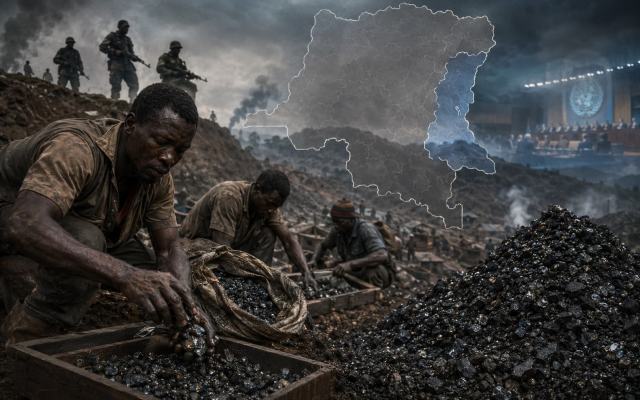
DRC's Critical Minerals: The Plunder Must End, and Its Sovereignty Must Be Respected
This report examines how the illicit exploitation and trafficking of critical minerals continue to fuel confli...
RPF-Inkotanyi Moves to Offload Business Empire Amid Mounting Fears of More U.S. Sanctions
The ruling RPF-Inkotanyi is reportedly restructuring business interests held through Crystal Ventures Limited...

Loading comments…
Reader comments
Join the conversation