







Washington Draws a Red Line: Kagame Faces Mounting Pressure to Pull Rwandan Troops Out of Congo.
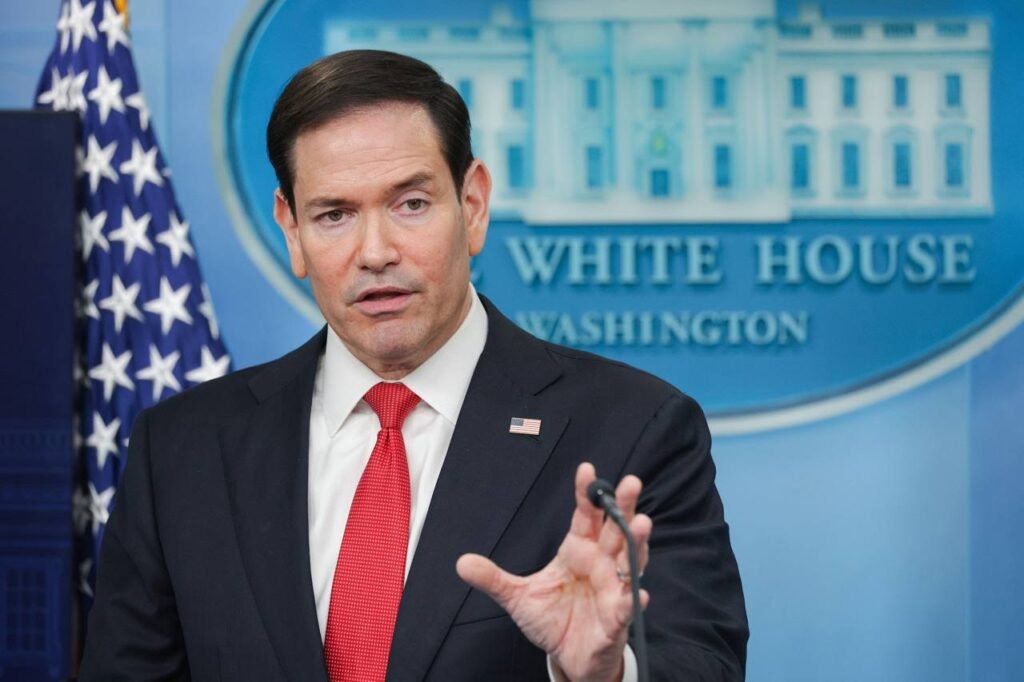
For years, Paul Kagame’s government has weathered international criticism over Rwanda’s role in the conflict in the eastern Democratic Republic of the Congo (DRC). Diplomatic statements, United Nations reports, and expressions of concern came and went while the violence continued, and Kigali largely dismissed accusations of military involvement.
Now, the tone from Washington appears to be changing.
The United States has reportedly intensified pressure on Rwanda, demanding the withdrawal of Rwandan forces from Congolese territory and an end to support for armed groups operating in eastern Congo. Unlike previous diplomatic warnings, this pressure comes with growing discussion of consequences that could strike at the economic and political foundations of Kagame’s regional strategy.
The message is becoming increasingly difficult to ignore: continued involvement in eastern Congo may carry costs that Rwanda’s ruling elite can no longer easily absorb.
A Growing Challenge to Kagame’s Regional Strategy
For decades, Kagame has cultivated an image as a strategic Western ally and a guarantor of stability in the Great Lakes region. Supporters point to Rwanda’s economic growth and security record, while critics argue that Kigali’s actions in eastern Congo have contributed to instability rather than resolving it.
Human rights organizations, UN experts, and several Western governments have repeatedly raised concerns about Rwanda’s alleged support for the M23 rebellion. Kigali has consistently denied these accusations, arguing that its security concerns stem from armed groups operating near Rwanda’s borders and from unresolved regional threats.
Yet international patience appears to be wearing thin.
As the humanitarian crisis in eastern Congo deepens and pressure from international actors grows, the debate is shifting from expressions of concern to demands for concrete action. What once seemed like routine diplomatic criticism is increasingly becoming a test of whether Rwanda is willing to alter its regional posture under sustained international pressure.
The Economic Risks of Defying Washington
What makes this moment particularly significant is not simply the diplomatic pressure but the possibility of economic consequences.
For years, the Kagame government has promoted Rwanda as a destination for investment, innovation, and international partnership. However, Rwanda’s economy remains closely tied to foreign assistance, international financial institutions, and relationships with Western governments.
Should Washington conclude that Kigali is unwilling to comply with its demands, pressure could move beyond statements and sanctions on individuals. Additional measures could affect influential networks connected to the ruling establishment, increasing scrutiny of business activities, financial transactions, and regional trade relationships.
Critics argue that such measures could expose vulnerabilities within a system that has long relied on strong international partnerships and a carefully managed global image. Increased attention could also renew international scrutiny of mineral exports passing through Rwanda while conflict continues in eastern Congo’s resource-rich regions.
For a government that has invested heavily in presenting itself as a model of stability and development, the reputational consequences could be as damaging as any economic penalty.
A Defining Moment for Kagame’s Government
The coming weeks may represent one of the most significant foreign policy challenges Kagame has faced in years.
For much of his time in power, Kagame benefited from a perception in many Western capitals that his strategic importance outweighed concerns about his government’s conduct. Today, that political protection appears less certain than it once was.
Relations between Kigali and several Western partners have become increasingly strained amid concerns about regional security, political freedoms, and Rwanda’s role in the Congo conflict. The growing pressure from Washington suggests that policymakers are becoming more willing to challenge a leader who was once regarded as largely immune from serious international consequences.
Whether Rwanda chooses to comply with international demands or resist them, the outcome is likely to shape both the future of the conflict in eastern Congo and Kigali’s relationship with its most important international partners.
The question is no longer whether Kagame is facing pressure.
The question is whether his government can afford to ignore it.
Washington appears increasingly determined to force that decision.
Related coverage
More from Congo
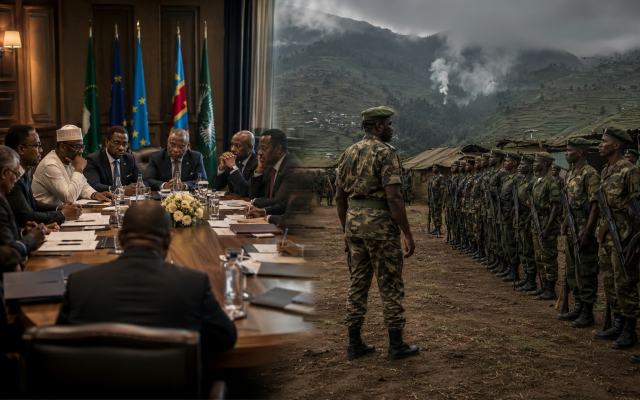
DRC: Peace Talks Continue, but AFC/M23 Keeps Intensifying Military Preparations
As peace negotiations on eastern DRC continue, AFC/M23 says it has trained 9,318 new commandos, raising concer...
 Breaking
 Breaking
Loading comments…
Reader comments
Join the conversation