





The Doha Summit Dilemma: Hard Truths Behind the Kigali-Qatar Axis.
 alt="" width="1024">
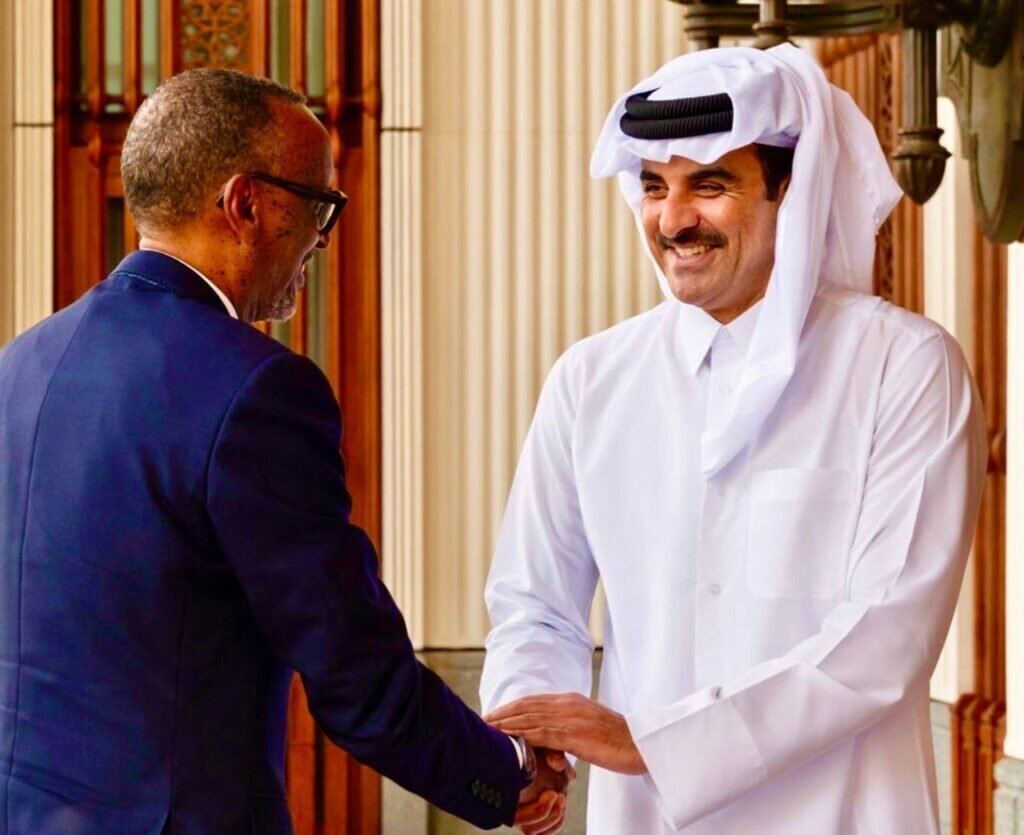
The official state imagery emanating from today’s bilateral summit at the Amiri Diwan in Doha presents a familiar, flawless vignette. President Paul Kagame and Sheikh Tamim bin Hamad Al Thani smile, handshake, and polished communiqués championing “economic cooperation and mutual development interests”. But away from the flashing cameras of state-run media, the political opposition, regional civil society, and independent analysts view today’s working visit through a far more critical lens. Beyond the facade of infrastructure partnerships like the Bugesera International Airport lies a transactional alliance designed to insulate Kagame’s regime from mounting international pressure.
The Parallel Diplomatic Track: Eviscerating Regional Accountability
A primary concern regarding the Kigali-Doha axis is how Rwanda uses Gulf mediation to deliberately fragment African peace frameworks.
- Undermining Regional Tracks: By pulling conflict-resolution talks for the Eastern Democratic Republic of Congo (DRC) into parallel diplomatic venues in Doha, Kigali effectively circumvents the Luanda and Nairobi processes. These African Union-backed forums applied unified peer pressure on Rwanda regarding its regional military conduct.
- Legitimizing Armed Proxies: Critics argue that Doha’s framework treats the Rwanda-backed M23 rebel movement as a legitimate political entity rather than an armed proxy group, providing Kagame with tactical breathing room while his forces maintain an active posture across the border.
- Prioritizing Capital Over Stability: With billions of dollars wrapped up in trilateral commercial interests, opposition voices contend that Qatar’s mediation prioritizes safeguarding cross-border supply lines and investments over enforcing genuine, lasting accountability for regional human rights violations.
The Washington Accords: Public Deference, Private Defiance
Today’s summit occurs against a backdrop of prolonged inertia regarding major international treaties. The Washington Peace Accords, meticulously designed to mandate a fully verifiable withdrawal of Rwandan Defense Forces (RDF) from the DRC alongside the neutralization of regional militias, remain fundamentally stalled.
[ Washington Accords Mandate ]
│
┌───────────┴───────────┐
▼ ▼
[ Rhetorical Compliance ] [ Ground Operations ]
• Diplomatic Handshakes • Continued Deployments
• Global Press Releases • Stalled Troop Pullbacks
│ │
▼ ▼
( Token Benchmarks Met / Core Peace Commitments Evaded )
- Strategic Delay Tactics: Independent security analysts report that Rwanda’s real-world compliance with the Washington Accords has ground to a halt. While Kigali offers token rhetorical concessions at global summits, it systematically evades the core timelines for troop pullbacks.
- Exploiting Oversight Gaps: The trilateral verification mechanisms mandated by international partners have faced persistent bureaucratic delays, which the Rwandan government has actively leveraged to maintain its strategic leverage in North and South Kivu.
- Doha as a Public Relations Shield: Opposition factions assert that high-profile events like today’s Doha summit serve a clear domestic and international purpose: creating a distracting narrative of diplomatic engagement to placate Western donors while defying treaty obligations on the ground.
The Sovereign Shadow: Wealth Diversification and Conflict Supply Chains
For the Rwandan democratic opposition, the most alarming dimension of the bilateral relationship is the financial architecture underwriting these state-to-state agreements.
- The Crystal Ventures Machine: The financial engine driving Rwanda’s domestic economy is Crystal Ventures, the massive conglomerate owned directly by the ruling Rwandan Patriotic Front (RPF). Joint ventures with Qatari sovereign funds, particularly the 60% stake in the $1.3 billion Bugesera airport project via Qatar Airways, effectively blend public state assets with party-controlled corporate entities.
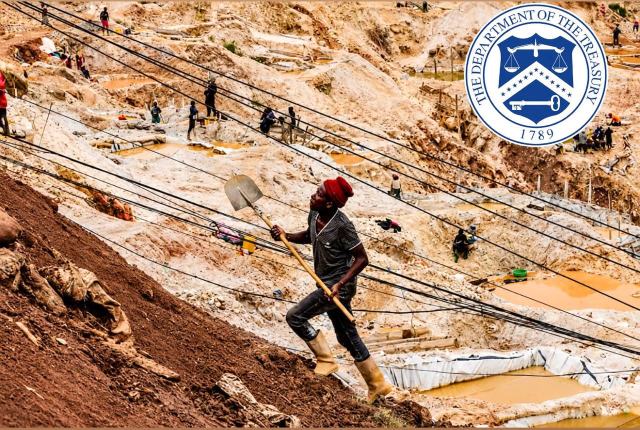
- The Conflict Mineral Pipeline: UN expert reports have repeatedly documented how highly valuable, illicitly mined resources (such as gold and coltan) exit conflict zones in the eastern DRC through regional smuggling cartels. Opposition leaders accuse the regime of using sophisticated, highly private Gulf financial networks to process, formalize, and launder these mineral supply chains into legitimate global corporate revenue.
- An Elite Autocratic Safe Haven: By anchoring party wealth inside Qatari infrastructure projects and sovereign partnerships, the RPF inner circle creates a bulletproof offshore financial haven. This system keeps the leadership’s personal and political capital safely insulated from potential future domestic political shifts or targeted international sanctions.
Confronting the Reality
Today’s summit in Doha is not merely an exchange of economic pleasantries,it is a vital pillar of the RPF’s survival strategy. By leveraging Qatari capital and parallel diplomatic tracks, Paul Kagame has successfully crafted a mechanism to weather international criticism, bypass strict peace accords, and secure the financial resources needed to sustain his regime’s tight grip on power. Dismantling the glossy propaganda of the Kigali narrative reveals a stark reality: a highly calculated geopolitical arrangement that prioritizes elite wealth over regional stability and democratic accountability.
Related coverage
More from Africa
 Breaking
 Breaking

Noeline’s Story Is Not an Exception; It Is a Mirror of Rwanda’s Broken Justice System.
For years, Rwanda has presented itself to the world as a model of good governance, accountability, and institu...
Loading comments…
Reader comments
Join the conversation