
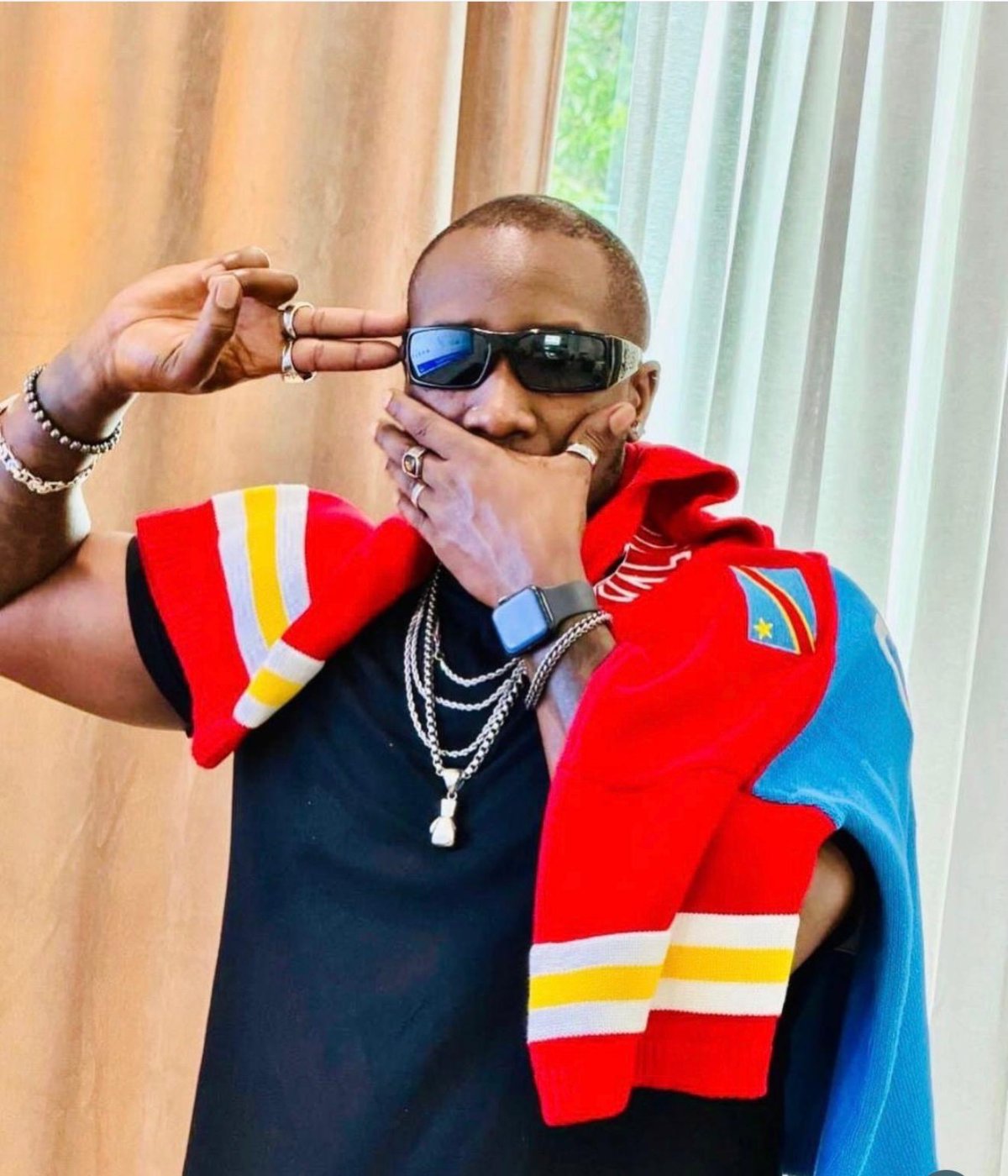






Noeline’s Story Is Not an Exception; It Is a Mirror of Rwanda’s Broken Justice System.
For years, Rwanda has presented itself to the world as a model of good governance, accountability, and institutional efficiency. International rankings regularly place the country among Africa's least corrupt states. Foreign governments praise its order, discipline, and development. Global organizations celebrate its high representation of women in parliament as evidence of progressive leadership.
Yet behind this carefully cultivated image lies a reality that many ordinary Rwandans know all too well: justice in Rwanda is not always experienced equally.
The case of Noeline Isimbi Narubega, popularly known as Lexi Luv, has once again exposed the growing gap between Rwanda's international reputation and the experiences of many citizens. Noeline has publicly said that she was a victim of a human trafficking scheme that used false promises of marriage and relocation abroad to lure vulnerable women. She further claims that she reported the matter to the authorities but received no meaningful response.
As her testimony spread across social media, many expected a public statement from law enforcement agencies or the announcement of an investigation. Instead, silence followed.
Whether Noeline's allegations are ultimately proven in court is a matter for investigators and the judicial process. However, a more immediate and troubling question emerges from her case: why did a citizen who claims to have reported a serious crime feel compelled to take her story to social media before anyone appeared to listen?
That question deserves far more attention than the attacks currently being directed at her.
Much of the public reaction has focused not on the claims themselves, but on Noeline's personal life. Her profession, her past decisions, and her public image have become subjects of ridicule and condemnation. Many have attempted to dismiss her claims outright because she later entered the adult entertainment industry.
Such reactions reveal a dangerous misunderstanding of both justice and victimhood.
A person's profession does not determine whether they can become a victim of exploitation, coercion, abuse, or trafficking. Vulnerability does not disappear because someone later makes controversial choices to survive. In fact, throughout the world, traffickers often target individuals who have already experienced poverty, instability, family breakdown, lack of education, and social exclusion.
Noeline has publicly spoken about a childhood marked by hardship and years of struggle. Instead of reflecting on whether those circumstances may have made her vulnerable to exploitation, many observers have chosen to reduce her entire story to moral judgment. The result is a familiar pattern in which the character of the victim becomes more important than the claims being raised.
Unfortunately, this pattern extends beyond social media and touches on a deeper problem within Rwanda's governance system.
The country is frequently praised for having defeated corruption, yet many Rwandans recognize that corruption has not disappeared. It has simply become more sophisticated and less visible. The corruption that affects ordinary citizens today is often not a direct exchange of money. It is selective attention. It is selective enforcement. It is the quiet understanding that some complaints move quickly while others remain buried.
Many citizens have come to believe that outcomes often depend on connections, influence, and proximity to power. Who you know, where you come from, and whether your case is politically inconvenient can determine how seriously your concerns are treated. These realities rarely appear in international governance reports, yet they shape the daily experiences of countless Rwandans.
The Noeline case has reignited these concerns because it reflects a fear that many people already carry: that ordinary citizens are often left to fend for themselves unless public pressure forces institutions to act.
At the same time, Rwanda continues to invest enormous resources in maintaining its image abroad. The country wants to be seen as modern, safe, investment-friendly, and progressive. Foreign investors are welcomed. International endorsements are celebrated. Positive headlines are amplified.
There is nothing inherently wrong with pursuing a positive reputation. The problem arises when protecting that reputation appears more urgent than addressing the concerns of citizens at home.
Many Rwandans increasingly feel that there are two versions of Rwanda. There is the Rwanda presented to international audiences, and there is the Rwanda experienced by ordinary citizens seeking accountability, transparency, and equal treatment before the law. The gap between these two realities continues to grow, and cases such as Noeline's only deepen public skepticism.
The contradiction becomes even more striking when viewed through the lens of women's rights.
Rwanda proudly advertises its position as one of the countries with the highest percentage of women in parliament. This achievement is frequently cited as proof of women's empowerment. Yet genuine empowerment cannot be measured solely by parliamentary statistics.
The true test of empowerment is whether vulnerable women can trust institutions to protect them when they report abuse. It is whether women can seek justice without being humiliated. It is whether public institutions respond to claims with seriousness rather than silence.
Representation without protection is symbolism. Empowerment without accountability is public relations.
If Rwanda wishes to maintain its reputation as a country committed to justice and equality, it must demonstrate that these principles apply to every citizen, not only to those who are politically connected, socially respected, or useful to the state's image.
Noeline's case is ultimately about more than one woman. It is about the credibility of institutions. It is about whether citizens believe that the law serves everyone equally. It is about whether vulnerable people can seek help without first proving that they are worthy of sympathy.
A functioning justice system does not decide who deserves protection based on their profession or public reputation. It investigates allegations, establishes facts, and follows evidence wherever it leads.
That is all that should be demanded in this case.
The greatest threat to public confidence is not Noeline's story. It is the possibility that citizens increasingly believe they must go viral before their voices are heard. Until that perception changes, Rwanda's image of justice will remain incomplete, no matter how many international accolades it receives.
Related coverage
More from Africa
 Breaking
 Breaking
 Breaking
The Militarization of Diplomacy: Kagame's Security Chiefs Take Command of Rwanda's Foreign Missions.
On June 10, 2026, the Office of the Prime Minister of Rwanda announced a series of appointments that, at first...
Loading comments…
Reader comments
Join the conversation