







Safe Houses, Disappearances, and Torture: Why Rwanda Should Not Host Africa’s Anti-Torture Conference.
A Conference Overshadowed by Its Host
From June 24–26, 2026, Kigali will host the African National Preventive Mechanisms Network (ANPMN) Conference, bringing together representatives from across the continent alongside partners such as the United Nations Subcommittee on Prevention of Torture (SPT) and the European Committee for the Prevention of Torture (CPT).
The conference is dedicated to one of the most important human rights objectives of our time: preventing torture, arbitrary detention, enforced disappearances, and other forms of cruel, inhuman, or degrading treatment.
Yet the choice of Rwanda as host has generated profound controversy.
For many victims, former detainees, journalists, and human rights advocates, the summit highlights a contradiction that cannot easily be ignored. How can a country repeatedly cited in reports by international human rights organizations for accusations of torture, unlawful detention, disappearances, and political repression serve as the venue for Africa's premier gathering on torture prevention?
The question is not merely political. It strikes at the credibility of the institutions participating in the conference and the values they claim to defend.
From High-Profile Victims to Safe Houses: The Human Rights Questions Kigali Cannot Escape
Human rights debates are often dominated by reports, legal language, and diplomatic statements. Yet behind every allegation stands a human story.
Few cases have attracted more international attention than that of Paul Rusesabagina. Following his controversial transfer from Dubai to Kigali in 2020, Rusesabagina and his legal team described detention conditions that they argued violated international standards. His case drew criticism from international observers who questioned both the circumstances of his arrival in Rwanda and the fairness of subsequent judicial proceedings.
His testimony is far from isolated. Over the years, political opponents, journalists, activists, and former detainees have described experiences involving intimidation, prolonged isolation, arbitrary detention, and pressure aimed at silencing dissent.
The late gospel singer Kizito Mihigo remains one of the most powerful symbols of these concerns. Once celebrated as a national icon, Mihigo later found himself imprisoned after expressing views that challenged official narratives surrounding reconciliation and remembrance. Before his death in police custody in 2020, he spoke of psychological pressure, isolation, and intimidation. His death continues to raise questions among human rights advocates who believe important issues remain unanswered.
For many observers, these stories are not viewed as isolated incidents. They are seen as part of a broader pattern in which criticism of state authorities can carry severe personal consequences.
These concerns extend beyond individual cases. For more than a decade, organizations including Human Rights Watch and Amnesty International have documented accusations concerning unofficial detention facilities commonly referred to as "safe houses." Former detainees interviewed by investigators described being held outside the regular judicial system, denied access to lawyers and family members, and subjected to severe mistreatment. Their testimonies include allegations of prolonged incommunicado detention, repeated beatings, sleep deprivation, coercive interrogations, threats, and psychological abuse.
Rights organizations have also documented allegations involving the detention of street children, informal vendors, homeless individuals, and other vulnerable populations. Such operations have often been intensified ahead of major international events, raising concerns that image management has sometimes been prioritized over individual rights and due process.
Equally troubling are unresolved cases involving disappearances. Journalists, opposition figures, and government critics have reportedly vanished under circumstances that remain unexplained. Families have often been left without answers, while calls for transparent investigations have gone unanswered. Concerns about police use of lethal force and the absence of meaningful accountability have further deepened scrutiny of Rwanda's human rights record.
Credibility on Trial
The controversy surrounding Rwanda's human rights record does not end at its borders. Successive reports by United Nations experts have documented evidence of Rwandan involvement in the eastern Democratic Republic of Congo, including support for the M23 rebellion. The conflict has contributed to mass displacement, the destruction of civilian communities, and severe humanitarian suffering, prompting concern from international investigators, humanitarian organizations, and foreign governments.
These regional concerns cannot be separated from discussions about torture prevention, accountability, and respect for human rights. Hosting an anti-torture conference in Kigali while serious allegations remain unresolved both domestically and regionally risks sending a contradictory message.
Supporters of engagement argue that dialogue is essential and that international conferences can encourage reform. However, victims and survivors often view such events differently. When organizations dedicated to preventing torture gather in countries facing longstanding accusations of abuse, the event can appear less like scrutiny and more like endorsement.
The concern is not merely symbolic. The legitimacy of anti-torture institutions depends on their willingness to apply the same standards everywhere, regardless of political influence, strategic interests, or diplomatic convenience. If those standards appear selective, public confidence in the international human rights system inevitably suffers.
As delegates arrive in Kigali to discuss torture prevention, accountability, and detainee protection, many observers believe they cannot avoid a more fundamental question: whether the host country itself reflects the principles being promoted inside the conference halls.
The fight against torture requires more than declarations, partnerships, and official ceremonies. It requires transparency, independent investigations, accountability for abuses, and justice for victims.
Until persistent accusations concerning unlawful detention, disappearances, deaths in custody, restrictions on dissent, and regional military involvement are fully addressed, the decision to hold Africa's leading anti-torture conference in Rwanda will continue to generate criticism.
The question confronting delegates is therefore simple but unavoidable: Can a summit dedicated to preventing torture maintain its credibility when it is held in a country whose human rights record remains the subject of intense international scrutiny?
Related coverage
More from Human Rights
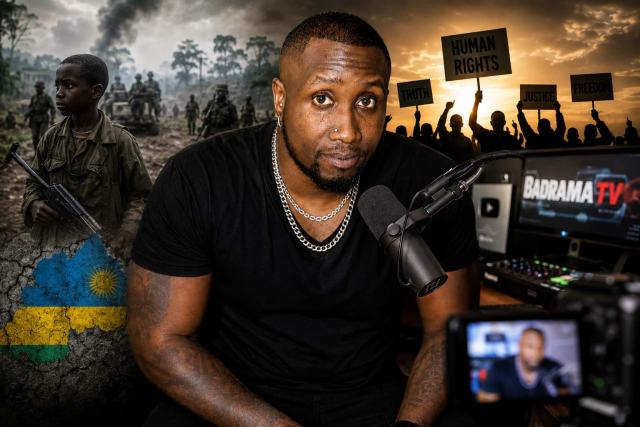
BADRAMA: How Life as a Child Soldier Shaped His Human Rights Activism
Rwandan activist Mupende Ramadhan, known as BadRama, describes how his experiences as a child soldier shaped h...
Loading comments…
Reader comments
Join the conversation