





Brussels Raises Its Voice for Victoire Ingabire and Political Freedom in Rwanda.
On June 19, 2026, the square outside the European Parliament became the latest stage in an international campaign for the release of Victoire Ingabire Umuhoza. At Place du Luxembourg in Brussels, Rwandan exiles, human-rights defenders, and democracy activists gathered peacefully to demand justice for one of Rwanda's most prominent opposition figures.
The demonstration was not merely about a single court case. For those who attended, it was about the future of political freedom in Rwanda and the right of citizens to participate in public life without fear of repression.
Holding banners reading "Free Victoire" and "Peace for Rwanda," participants sought to draw attention to what they describe as the shrinking space for political opposition and independent voices. Their message was directed not only at Kigali but also at European institutions they believe have not spoken strongly enough about concerns raised by human-rights organizations and democracy advocates.
Few political figures in Rwanda have become as symbolic as Victoire Ingabire. After returning from exile in the Netherlands in 2010 with hopes of participating in national politics, she quickly became one of the country's most recognizable opposition leaders. Her years in prison, release in 2018, and rearrest in June 2025 transformed her from a political challenger into a symbol of a larger debate over democracy, dissent, and the limits of political competition in Rwanda.
That symbolism was visible throughout the Brussels gathering. Speakers repeatedly argued that the case extends beyond one individual. In their view, it reflects broader questions about whether alternative political voices can operate freely and whether criticism of those in power can exist without legal or political consequences.
The choice of location was deliberate. Place du Luxembourg sits directly beside the European Parliament, one of the most important political institutions in Europe. By gathering there, demonstrators sought to place Rwanda’s political situation before lawmakers, diplomats, journalists, and international observers who pass through the area every day.
The protest unfolded against a backdrop of continuing international concern over political freedoms and civic space in Rwanda. Human rights organizations, legal advocates, and members of the European Parliament have repeatedly raised questions about the treatment of opposition figures and the state of democratic participation in the country. Supporters of the demonstration argued that these concerns deserve greater international attention and a more consistent response.
What distinguished the Brussels rally was not its size but its message. Participants were united by the belief that democratic principles lose meaning when they are applied selectively. They argued that freedom of expression, political participation, and the right to organize peacefully are universal rights that should be defended regardless of a country’s strategic importance, economic performance, or international reputation.
The peaceful nature of the gathering reinforced that argument. There were no clashes with police, no reports of violence, and no arrests. Instead, protesters relied on speeches, banners, and public testimony to communicate their concerns. In doing so, they demonstrated the very freedoms they believe should be protected everywhere.
Many attendees had traveled from across Europe. Some left Rwanda years ago; others were born abroad but remain deeply connected to the country through family, history, and a shared concern for its future. Despite different backgrounds and experiences, they were united by a conviction that meaningful political participation requires room for disagreement, criticism, and alternative viewpoints.
The Brussels demonstration also reflected growing frustration among members of the diaspora who believe international responses to political developments in Rwanda have often been cautious or inconsistent. For years, reports from rights organizations have documented allegations involving restrictions on opposition activity, intimidation of critics, and limits on civic space. Activists argue that these concerns deserve the same level of attention given to human-rights issues elsewhere in the world.
At its core, the protest raised a simple question: can democratic values be treated as universal if concerns about political freedoms are overlooked when they become politically inconvenient?
For those gathered outside the European Parliament, the answer was clear. They argued that genuine support for Rwanda must include support for the rights of its citizens to speak freely, participate openly in politics, and hold leaders accountable without fear.
As the rally came to an end, participants dispersed peacefully, but the issues they raised remained unresolved. The debate surrounding Victoire Ingabire has evolved into something larger than the fate of a single opposition leader. It has become part of a broader conversation about democracy, accountability, and the future of political participation in Rwanda.
The significance of the June 19, 2026 demonstration lies not only in what happened in Brussels that day but in what it represented. It showed that calls for justice, political freedom, and democratic participation continue to resonate far beyond Rwanda's borders.
For the activists who gathered outside the European Parliament, silence was not an option. Their message was clear: political rights are not privileges granted by governments. They are fundamental freedoms that must be protected, defended, and exercised.
That is why the Brussels demonstration matters. It was not simply a protest. It was a public declaration that the demand for justice, accountability, and democratic freedoms remains alive, and that those calling for change have no intention of disappearing quietly.
Related coverage
More from Human Rights
BADRAMA: How Life as a Child Soldier Shaped His Human Rights Activism
Rwandan activist Mupende Ramadhan, known as BadRama, describes how his experiences as a child soldier shaped h...
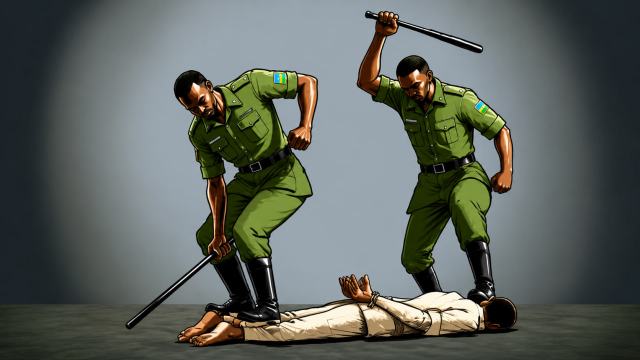
Safe Houses, Disappearances, and Torture: Why Rwanda Should Not Host Africa’s Anti-Torture Conference.
A Conference Overshadowed by Its Host
Loading comments…
Reader comments
Join the conversation