







Human Rights Concerns and Rwanda's Kidney Transplant Milestone.
Rwanda's government is celebrating a healthcare milestone: more than 100 kidney transplants performed since the launch of the country's transplant programme in 2023.
For many patients, this is a life-changing achievement. Access to advanced medical care inside the country can save lives, reduce costs, and spare families the burden of seeking treatment abroad.
Yet for many Rwandans and members of the diaspora, the announcement is being viewed through a different lens.
For years, international human-rights organizations have documented cases of enforced disappearances, arbitrary detention, torture, deaths in custody, and abuses in transit centers. Reports have described cases of people who vanished after being taken by security forces, unexplained deaths in detention, and vulnerable populations being rounded up and held in harsh conditions.
It is against this backdrop that organ trafficking and the sourcing of organs for transplantation have emerged.
The issue of organ transplantation in Rwanda highlights a serious conflict between medical progress and human rights concerns. While the country’s new kidney transplant program is a major medical achievement, a lack of transparency regarding where the organs come from has created widespread public anxiety and suspicion. There is no public information about who the organ donors are, and voluntary organ donation is not well understood by the general public. Human rights groups have documented cases of unexplained disappearances, deaths, and mistreatment inside state detention centers. Because of this history, many fear that vulnerable populations, prisoners, or missing persons could be at risk of illegal organ harvesting.
Due to severe restrictions on free speech inside Rwanda, citizens cannot openly question state programs or ask who profits from them. These concerns are shared only in secret among trusted family members or within the Rwandan diaspora. The ongoing secrecy leaves communities asking whether some lives are being compromised to save others. This creates a severe crisis of public trust, driven by unanswered questions about missing relatives, unresolved family grief, a lack of independent oversight, and limited freedom of the press.
True healing and trust in medical development cannot be built on a foundation of unanswered questions. You cannot ask a population to celebrate healthcare milestones when families are still searching for missing relatives and waiting for news that may never come. Medical milestones should not be used to hide or excuse human rights violations. Trust in healthcare cannot be built while independent investigations into state institutions remain blocked. True national development requires healthcare achievements and human rights protections to advance together. Ultimately, the controversy surrounding Rwanda's transplant program extends far beyond medicine, reflecting a deeper need for transparency, accountability, and the protection of basic human dignity.
As Rwanda celebrates its healthcare successes, the debate is likely to continue.
Forgovernment, 100 kidney transplants represent national progress.
For citizens, the milestone raises questions that go far beyond medicine and touch on the larger issue of public trust in state institutions.
Related coverage
More from Human Rights

BADRAMA: How Life as a Child Soldier Shaped His Human Rights Activism
Rwandan activist Mupende Ramadhan, known as BadRama, describes how his experiences as a child soldier shaped h...
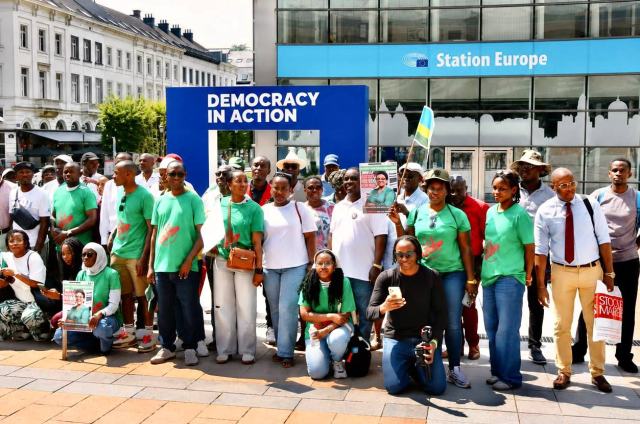

Safe Houses, Disappearances, and Torture: Why Rwanda Should Not Host Africa’s Anti-Torture Conference.
A Conference Overshadowed by Its Host
Loading comments…
Reader comments
Join the conversation