




Inside Kagame’s Rwanda: Repression Behind the Global Image.
“Go to Hell”: A Leader’s Defiance of Global Accountability
When Rwandan President Paul Kagame told critics of his government to “go to hell,” he demonstrated the core style of his rule: aggressive, combative, and completely unwilling to accept international criticism.
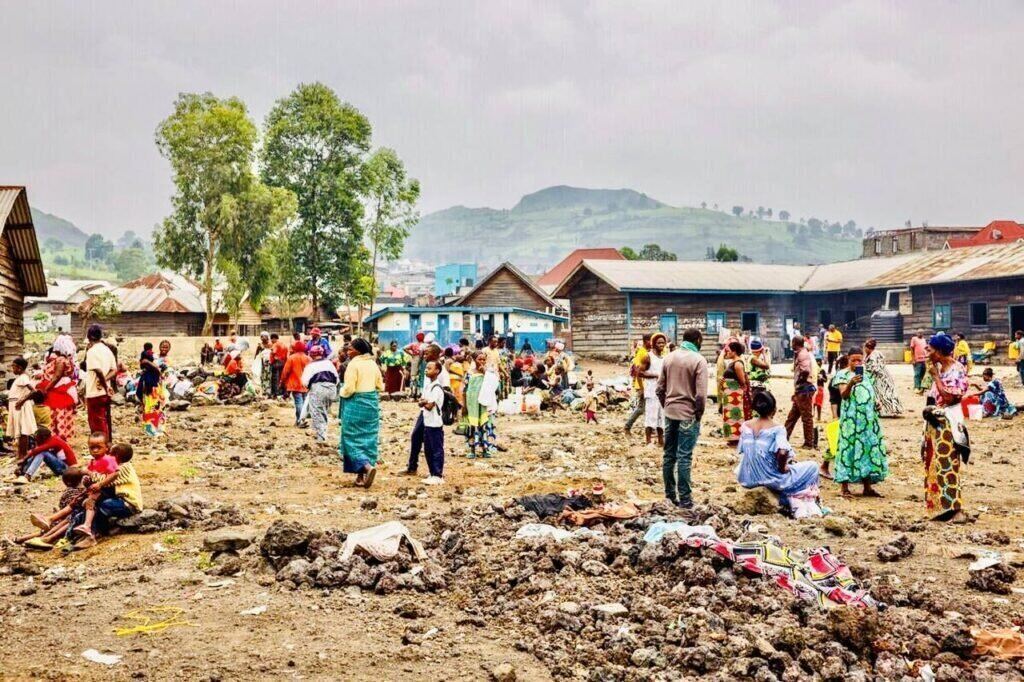
These comments came amid growing global concern over Rwanda’s role in the conflict in the eastern Democratic Republic of Congo (DRC). United Nations experts and Western governments have repeatedly accused Rwanda of supporting the violent M23 rebel group. Instead of addressing these serious charges, Kagame routinely dismisses them as Western hypocrisy and foreign interference.
For more than 30 years, Kagame has ruled Rwanda with absolute authority. While his supporters praise him for rebuilding the economy after the 1994 genocide, critics see an authoritarian ruler who maintains power by crushing dissent at home and using military force to destabilize neighboring countries.
Today, Rwanda presents two completely different realities to the world.
The Two Faces of Rwanda
Five Actions That Show How Kagame Maintains Absolute Control
1. Rejecting International Scrutiny
Kagame regularly confronts Western nations, even though Rwanda relies heavily on foreign aid. When European countries and Canada criticized Rwanda’s actions in the Congo, Kagame did not change his policies. Instead, he attacked the critics, calling their comments unfair and colonial. This strategy helps him look strong at home, but it allows his government to avoid accountability for its actions.
2. Using Sports to Clean the Regime’s Image
 alt="" width="1024">
The Rwandan government spends millions of dollars on international branding campaigns such as “Visit Rwanda,” placing its logo on the jerseys and stadium advertisements of elite European football clubs including Arsenal F.C., Paris Saint-Germain F.C., and FC Bayern Munich.
Rwanda has also invested heavily in basketball through partnerships connected to the National Basketball Association and the Basketball Africa League, hosting major events and presenting Kigali as a modern hub for global sports and investment.
Critics describe these efforts as “sportswashing,” a deliberate strategy that uses the popularity and prestige of international sports to distract from accusations of political repression, forced disappearances, suppressed opposition, and Rwanda’s involvement in regional conflicts in eastern Congo.
3. Fueling the War in Eastern Congo
 alt="" width="1024">
4. Staging Unrealistic Election Victories
In the 2024 presidential election, Kagame claimed to win over 99% of the vote. In a real democracy, such numbers are impossible. These results happen because true opposition leaders in Rwanda face constant threats. They are routinely disqualified from running, sent into exile, jailed, or found dead under suspicious circumstances. The elections are not free contests; they are displays of absolute power.
5. Playing Global Powers Against Each Other
Kagame is highly skilled at international politics. He maintains strong relationships with competing nations, including the United States, China, Russia, and the Gulf states. By making Rwanda useful to everyone, he ensures that no single country can pressure him to change. If Western nations threaten to cut aid, Kagame simply looks to other global partners for support.
Why Kagame Remains Unpunished
Weaponizing Historical Guilt: The international community failed to stop the 1994 Rwandan genocide. Kagame uses this historical guilt to silence Western leaders. Whenever his government faces criticism, he reminds the world of its past failures, effectively blocking any real consequences for his current actions.
Acting as a Military Contractor: Rwanda has a highly trained military that it sends to fight insurgencies across Africa, such as in Mozambique. Because Rwandan troops protect valuable corporate investments and international projects, Western governments view Kagame as a useful security partner and choose to ignore his abuses.
Silencing Critics Abroad: The Rwandan government does not just suppress dissent inside the country; it targets critics living in exile. Human rights groups have documented many cases of overseas intimidation, kidnappings, and assassinations of former Rwandan officials and journalists who spoke out against the regime.
The Facade of Success: Kigali’s clean streets and low crime rates impress foreign donors and development agencies. However, this progress is tightly controlled and mostly benefits the ruling elite. The image of a modern, efficient nation is used to keep foreign aid flowing while covering up a harsh dictatorship.
The Cost of Global Silence
Paul Kagame has stayed in power for over three decades because international politics often values stability and business over human rights. As long as Rwanda offers military security, corporate investments, and reliable partnerships, global powers seem willing to tolerate his authoritarian rule.
The luxury stadiums and clean streets of Kigali hide a system built on fear, repression, and regional instability. The main issue is no longer whether Kagame is a dictator, but why the rest of the world continues to allow him to act without consequences.
Related coverage
More from Investigations
DRC's Critical Minerals: The Plunder Must End, and Its Sovereignty Must Be Respected
This report examines how the illicit exploitation and trafficking of critical minerals continue to fuel confli...
RPF-Inkotanyi Moves to Offload Business Empire Amid Mounting Fears of More U.S. Sanctions
The ruling RPF-Inkotanyi is reportedly restructuring business interests held through Crystal Ventures Limited...

Loading comments…
Reader comments
Join the conversation