By Sheila Kamuzinzi,
Published on badramatv.com
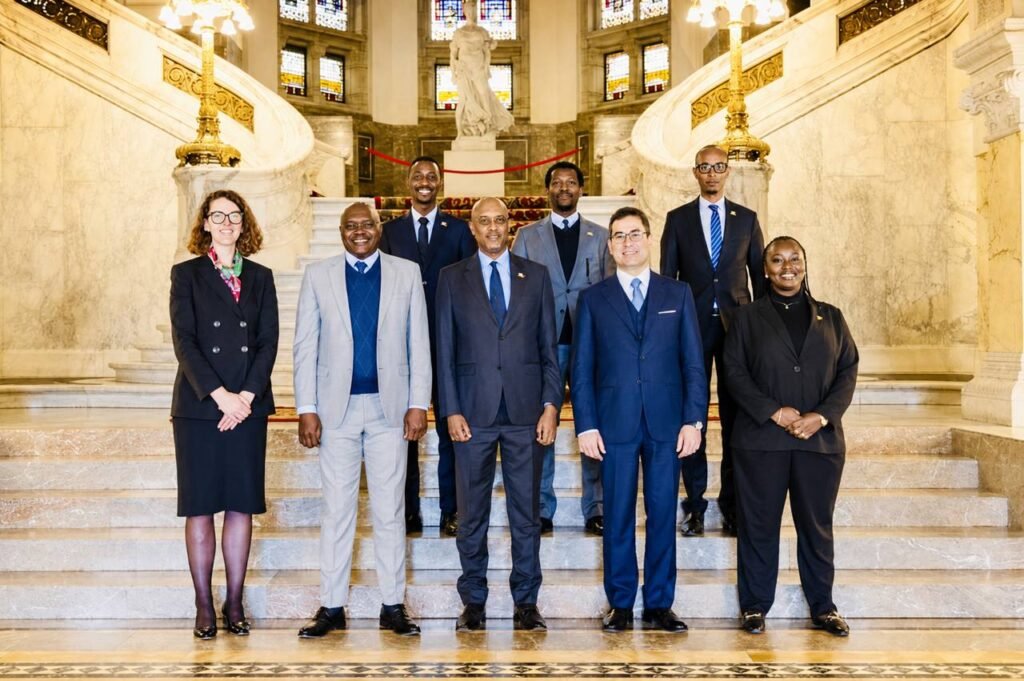
The Permanent Court of Arbitration rejected Rwanda’s £100 million claim against the UK, marking a failure in Kigali’s attempts to extract further funds from the canceled migration deal. Rwanda’s state-aligned media attempted to present the case as a victory for legal diplomacy.
According to that narrative, Rwanda demonstrated its commitment to defending international agreements and protecting its national interests through legal channels. But for many activists, journalists, human rights organizations, and ordinary Rwandans, the case revealed something very different.
To them, the most important question was never whether Rwanda would receive another £100 million.
The question was why a government that struggles to protect the rights and dignity of many of its own citizens was so eager to become a destination for asylum seekers from thousands of miles away.
From the moment the deal was announced, critics argued that it was less about humanitarian responsibility and more about money, international image management, and political legitimacy.
Human rights organizations, including Amnesty International and Human Rights Watch, repeatedly raised concerns about Rwanda’s human rights record. They pointed to documented restrictions on freedom of expression, political opposition, arbitrary detention, and all abuses by state authorities. Human Rights Watch argued that serious human rights concerns remained in Rwanda and questioned whether asylum seekers could genuinely be guaranteed protection.
The concerns were not limited to activists. The UK Supreme Court concluded that there were substantial grounds for believing that asylum seekers could face risks if transferred to Rwanda, citing concerns about the country’s asylum system and the possibility of refoulement, the return of refugees to places where they could face persecution.
Yet while the government promoted Rwanda as a safe destination for migrants, many Rwandans asked why similar urgency was not shown toward citizens facing housing insecurity, forced evictions, and poverty inside Rwanda itself.
The AERG / One Dollar Campaign Complex
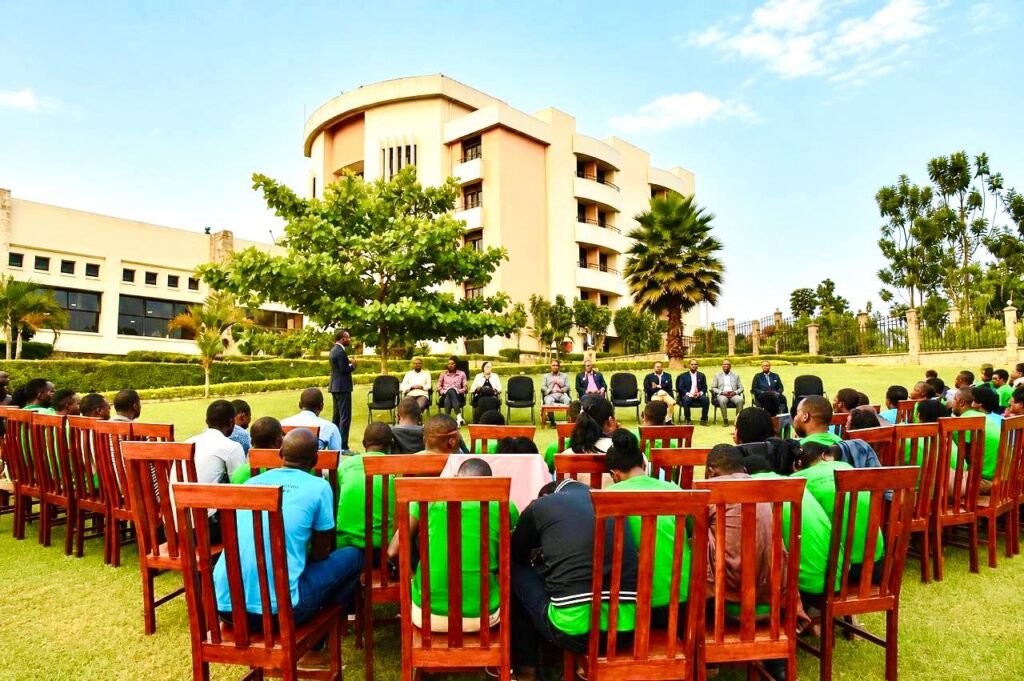
Long before its rebranding as a transit center for British migrants, Hope Hostel was known as the AERG/One Dollar Campaign complex. It was built specifically to provide secure housing for vulnerable student orphans who survived the 1994 Rwandan genocide.
In 2022, as the Kagame administration finalized the multi-million-dollar migration pact with the UK, these young genocide survivors were abruptly moved out. The complex was cleared to make space for anticipated UK arrivals. Former residents told international media that they were forced to leave and were left struggling. Meanwhile, the facility remained largely unused because the UK ultimately failed to send migrants to Rwanda.
For years, residents of informal settlements in Kigali and other areas have reported demolitions carried out in the name of urban modernization. Critics argue that compensation has often been inadequate and that vulnerable families have been displaced in the process. Human rights groups have repeatedly called for stronger protections for affected communities.
The migrant deal became even more controversial when reports emerged linking the incoming asylum seeker accommodations to the relocation of vulnerable Rwandans. While the Rwandan government disputed aspects of those claims and stated that support continued to be provided to former residents, the symbolism was devastating. A government willing to prepare premium housing for foreign asylum seekers while many of its own citizens faced economic hardship and eviction appeared to have misplaced its priorities.
The financial aspect of the agreement only deepened those concerns.
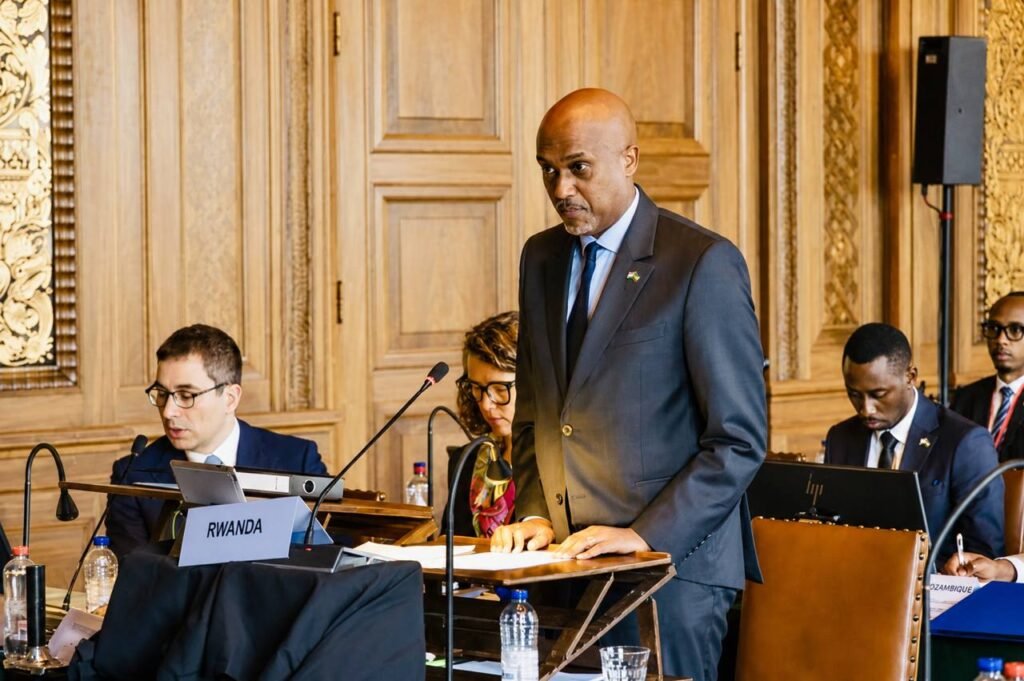
The Permanent Court of Arbitration rejected Rwanda’s legal claim for an extra £100 million after the UK cancelled the migration deal.
Between 2022 and 2024, the UK transferred hundreds of millions of pounds to Rwanda, yet only four individuals were ever relocated. When the new British government scrapped the agreement, Rwanda launched arbitration proceedings to secure the rest of the cash, but the tribunal dismissed the demand.
The financial breakdown reveals how much the Kagame regime stood to gain:
Fixed Funding: The Guaranteed Minimum
The five-year pact guaranteed Rwanda a base payout of £370 million in fixed development funds.
- £290 million had already been paid by the UK and kept by Rwanda between 2022 and 2024.
- £100 million was the remaining balance from future installments (£50 million due in 2025 and £50 million in 2026). Rwanda sued for this money but lost.
Variable Funding: The Per-Migrant Bonuses
Had the deal actually gone through, the UK would have paid massive sums on top of the £370 million base:
- £120 million as a lump sum once the first 300 migrants arrived.
- £20,000 as a direct cash bonus for every person relocated.
- Up to £150,000 per person to cover five years of housing and local processing costs.
To Kagame’s critics, the lawsuit created an uncomfortable image.
Rather than reflecting a humanitarian partnership, they argued that it reinforced the perception that the arrangement had become a financial transaction in which vulnerable migrants were effectively treated as part of a political and economic bargain.
Most African commentators were particularly frustrated by what they saw as Rwanda helping European governments outsource their asylum responsibilities. Human rights groups argued that wealthy countries should process asylum claims themselves rather than paying poorer nations to take responsibility. Amnesty International described the overall policy as harmful and warned about Rwanda’s human rights record.
The controversy surrounding the deal also intersected with broader criticism of Kagame’s government internationally.
For years, opposition figures, exiled activists, journalists, and human rights advocates have accused the Rwandan government of suppressing dissent and prioritizing image management over political freedoms, and have argued that international partnerships, such as the migrant deal, help improve Rwanda’s reputation abroad while diverting attention from unresolved concerns about governance and accountability.
This show world how Kagame’s regime is willing to fight aggressively for foreign money while many of its own citizens continued to struggle with poverty, displacement, limited political freedoms, and shrinking civic space.
The tribunal’s ruling may have ended the legal dispute, but it did not end the larger debate.
For many observers, the real legacy of the Rwanda-UK migrant deal will not be the millions of pounds exchanged between governments. It will be the uncomfortable questions it raised about whose interests were being protected, whose voices were being ignored, and whether international prestige was valued more highly than the welfare and rights of ordinary Rwandans.