By Sheila Kamuzinzi,
published on badramatv.com
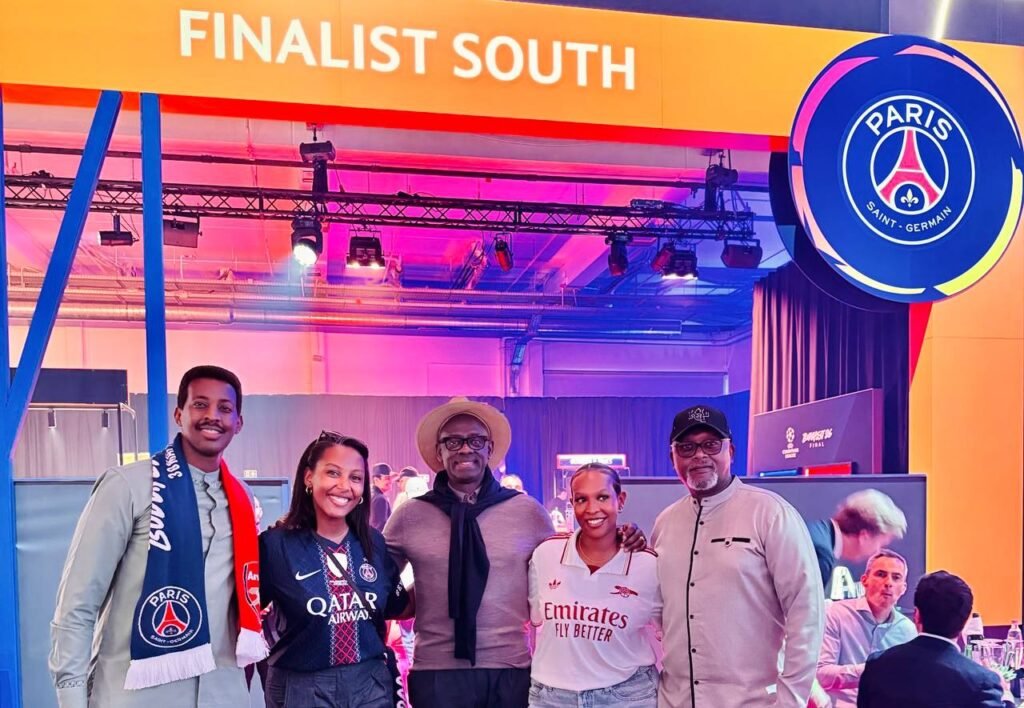
As Arsenal and Paris Saint-Germain stepped onto the pitch for the UEFA Champions League Final in Budapest, Rwanda had already secured what many in Kigali considered the most important victory of the night.
Regardless of who lifted the trophy, the “Visit Rwanda” logo would be displayed before hundreds of millions of viewers around the world. Arsenal and PSG, two of Rwanda’s flagship sponsorship partners, had once again delivered what the country’s tourism campaign was designed to achieve: global visibility on one of the largest stages in world sport.
Government officials celebrated the occasion. Members of Team Rwanda traveled from Kigali, France, the United Kingdom, and Hungary to attend the final at the Puskás Aréna. State media highlighted the event as evidence of Rwanda’s growing international profile and the success of a branding strategy that has placed the country alongside some of Europe’s biggest football institutions.
For Kagame’s regime, the moment symbolized national ambition, international recognition, and the transformation of a country that has become known for its clean cities, modern infrastructure, conference tourism, and economic development.
However, the match represented something entirely different.
There is another chapter in what is described as one of the most sophisticated state image-management campaigns in Africa.
For years, Rwanda has invested heavily in international sports sponsorships through the Visit Rwanda brand. Partnerships with Arsenal, PSG, Bayern Munich, Atlético Madrid, and other organizations have cost tens of millions of dollars. Government officials maintain that the investments generate tourism revenue, attract foreign investors, and strengthen Rwanda’s global reputation.
The campaign serves a broader political purpose.
They point to the contrast between the Rwanda promoted on football shirts and the Rwanda experienced by many ordinary citizens struggling with rising living costs, unemployment, housing insecurity, and economic hardship. While Rwanda has recorded significant economic growth over the past two decades, poverty remains a reality for millions. Critics question whether a country that still relies heavily on foreign assistance and donor support should prioritize expensive international sponsorship deals over pressing domestic needs.
The debate extends beyond economics.
Opposition figures, exiled activists, journalists, and human-rights organizations have long argued that the polished image presented through Visit Rwanda obscures a more controversial political reality. They say that Rwanda’s political system is characterized by a concentration of power around President Paul Kagame and the ruling RPF, restrictions on opposition activity, limited press freedom, intimidation of critics, politically motivated prosecutions, and a shrinking space for dissent.
Across Europe, supporter groups have begun questioning whether football clubs should be accepting sponsorship from governments facing accusations of human-rights violations and political repression. Arsenal supporters have staged protests, launched petitions, and publicly challenged their club’s partnership with Visit Rwanda. Critics argue that football’s global reach is being used to improve the image of governments facing serious scrutiny.
The controversy intensified further because of developments in the eastern Democratic Republic of Congo.
For years, Rwanda has faced accusations from United Nations experts, foreign governments, and international organizations regarding support for the M23 rebel movement operating in eastern Congo. Rwanda has consistently denied many of these accusations and argues that its security concerns stem from armed groups operating near its borders.
However, international pressure increased significantly after sanctions were imposed by the United States against senior Rwandan officials and, later, elements of the Rwanda Defence Force over links to the conflict. Rwanda rejected the sanctions and disputed their description as unfair and politically motivated.
For opposition activists, these developments reinforced their argument that Visit Rwanda functions as more than a tourism campaign.
They contend that the sponsorships provide something far more valuable than tourist arrivals: influence, prestige, and the ability to shape international perceptions. In their view, every Champions League broadcast, every Arsenal shirt, every PSG match, and every promotional billboard helps reinforce a carefully curated narrative of Rwanda as a model African success story while pushing discussions about political repression, regional tensions, and human-rights concerns further into the background.
The facts have become particularly sharp because the sponsorships coincide with public resources being used to promote the country’s image abroad while many citizens continue to struggle at home. Expensive delegations attending international sporting events symbolize a widening disconnect between Rwanda’s international branding and the realities facing many ordinary Rwandans.
Kagame presents Rwanda as a development success story, a safe and modern destination that has risen from tragedy to become one of Africa’s most recognized brands.
But behind the billboards, sponsorships, and global marketing campaigns lies a political system that continues to face unresolved questions about accountability, freedom, inequality, and power.