By Sheila Kamuzinzi,
published on badramatv.com
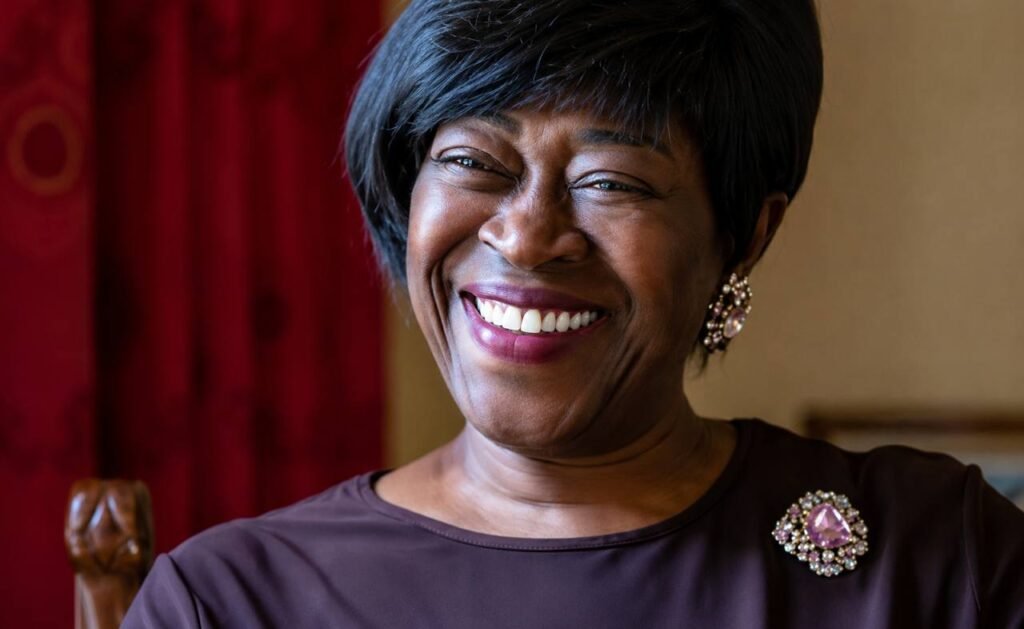
The race for the leadership of the International Organization of La Francophonie (OIF) has become one of the most consequential diplomatic contests in the French-speaking world. The Democratic Republic of Congo (DRC) has formally nominated Juliana Amato Lumumba, the daughter of the late Congolese independence leader Patrice Lumumba, to challenge the incumbent Secretary-General, Louise Mushikiwabo of Rwanda, who is seeking another term at the head of the organization.
While the OIF was founded to promote the French language, cultural cooperation, democracy, and human rights, the current leadership contest has evolved into a broader debate about the organization’s credibility, values, and future direction. Supporters of both candidates argue that the outcome will shape not only the future of the Francophonie but also the political identity of one of the world’s largest international organizations.
The Crisis of Credibility Under Louise Mushikiwabo
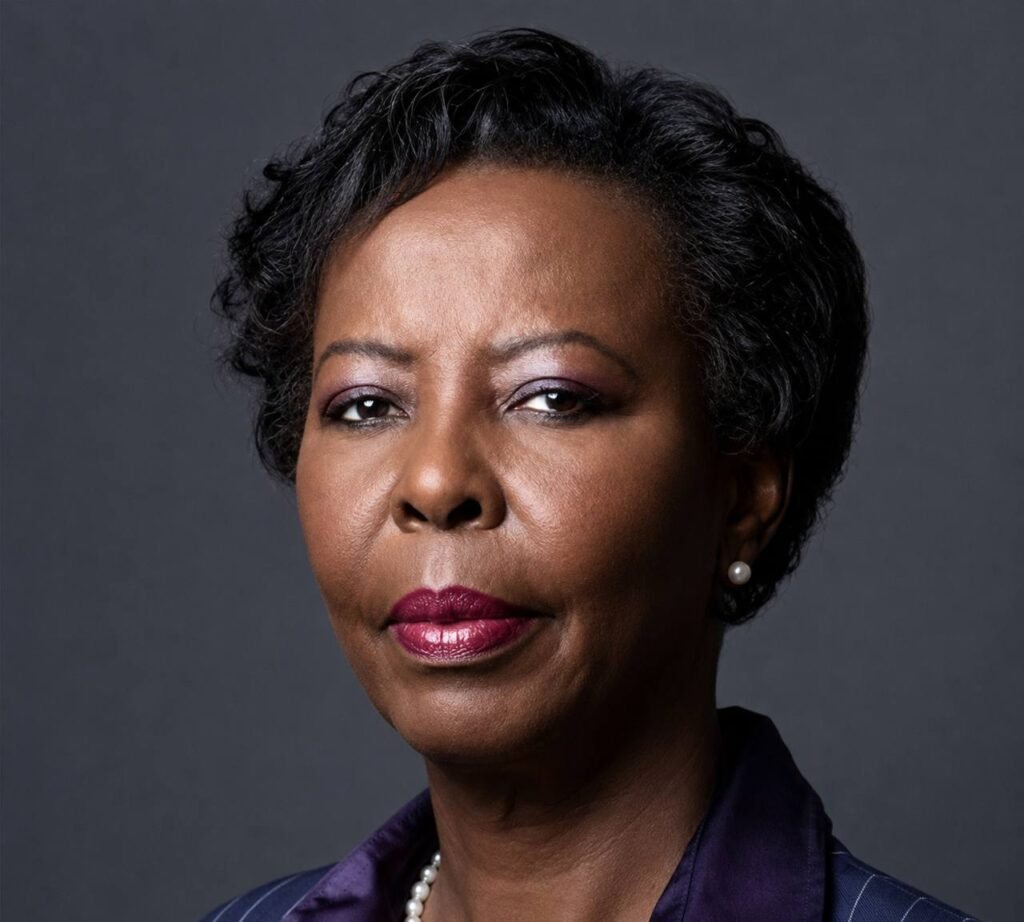
Since assuming office in 2019, Louise Mushikiwabo has overseen the OIF during a period marked by significant geopolitical tensions across Africa and beyond. However, her tenure has also drawn criticism from human rights organizations, opposition figures, and political analysts who argue that the organization has become increasingly reluctant to confront democratic backsliding and regional conflicts among its member states.
The DRC Conflict and Questions of Neutrality
One of the most persistent criticisms concerns the conflict in eastern Democratic Republic of Congo. Critics argue that the OIF has remained largely silent despite repeated accusations by United Nations experts and the Congolese government regarding Rwanda’s support for the M23 rebel movement.
For opponents of Mushikiwabo’s leadership, the issue raises questions about the impartiality of the organization. They contend that the OIF’s limited public engagement on one of Africa’s most devastating humanitarian crises has weakened its moral authority and undermined its commitment to peace and solidarity among member states.
Another point frequently raised by critics concerns Rwanda’s relationship with the French language. In 2008, Rwanda shifted its education system toward English-language instruction and subsequently deepened its engagement with the Commonwealth.
Mushikiwabo’s rise to the leadership of the Francophonie appeared paradoxical, given Rwanda’s linguistic trajectory. Some analysts have suggested that her original nomination reflected broader diplomatic efforts to improve relations between Kigali and Paris after years of tension, rather than a recognition of Rwanda’s role in advancing the French language and culture.
Human Rights Concerns
Human rights advocates have also linked Mushikiwabo’s tenure to broader concerns regarding political freedoms in Rwanda. Critics point to the treatment of opposition figures and government critics as evidence that the OIF has failed to consistently uphold its stated commitments to democracy and human rights.
The cases of opposition leader Victoire Ingabire and musician Kizito Mihigo continue to be cited by organizations that argue the international community has not sufficiently addressed concerns about political space and civil liberties in Rwanda.
Juliana Lumumba’s Alternative Vision
Supporters of Juliana Lumumba present her candidacy as an opportunity to renew the OIF and reconnect it with the aspirations of ordinary Francophone citizens.
As the daughter of Patrice Lumumba, Juliana Lumumba carries a name deeply associated with African independence, sovereignty, and the anti-colonial struggle.
Supporters argue that this historical legacy gives her unique moral authority at a time when many young Africans are questioning the relevance of international institutions. They contend that her experience in cultural administration and public service positions her to lead reforms aimed at strengthening the organization’s legitimacy.
Representing the Largest Francophone Nation
The DRC is widely recognized as the world’s largest French-speaking country by population. With more than 100 million citizens and a rapidly growing youth population, the country represents a significant share of the global Francophone community.
Advocates of Lumumba’s candidacy argue that leadership of the OIF should increasingly reflect the demographic realities of the French-speaking world, where Africa now accounts for the majority of French speakers and is expected to play an even greater role in the future of the language.
The demographic argument behind Lumumba’s candidacy has gained .
Additional attention following remarks by Emmanuel Macron during the Africa Forward Summit The demographic argument behind Lumumba’s candidacy has gained additional attention following remarks by Emmanuel Macron during the Africa Forward Summit in Nairobi, where he emphasized that the future of the French language increasingly lies in Africa and particularly in the Congo Basin. Although Macron did not explicitly endorse Juliana Lumumba, his comments were widely interpreted by Congolese observers as recognition of the Democratic Republic of Congo’s growing importance within the Francophone world. For Lumumba’s supporters, the message reinforces a broader reality: as the world’s largest French-speaking nation, the DRC is becoming the demographic heart of La Francophonie and should play a leading role in shaping the future direction of the OIF.
A “Francophonie of the Peoples”
Central to Lumumba’s message is the idea of a more inclusive and citizen-focused Francophonie. Supporters describe her vision as one that prioritizes youth engagement, cultural exchange, peacebuilding, and grassroots participation rather than elite diplomatic negotiations alone.
Her backers argue that the OIF must adapt to changing political realities and become more responsive to the needs of ordinary citizens across Africa, Europe, the Caribbean, and other Francophone regions.
A Defining Moment for the OIF
The upcoming OIF summit in Phnom Penh will represent more than a routine leadership election. For many observers, it will serve as a test of the organization’s willingness to address growing concerns about its relevance, credibility, and commitment to its founding principles.
Supporters of Mushikiwabo emphasize continuity, diplomatic experience, and institutional stability. Supporters of Lumumba argue that the organization requires renewal, stronger moral leadership, and a closer connection to the people it claims to represent.
Whatever the outcome, the contest has already exposed a broader debate about the future of the Francophonie itself. At a time when Africa is becoming the demographic center of the French-speaking world, member states face an important choice about what kind of institution the OIF should be in the decades ahead.
The election is therefore not simply about selecting a Secretary-General. It is about defining the values, priorities, and identity of the Francophone community in the twenty-first century.