By Sheila Kamuzinzi,
published on badramatv.com
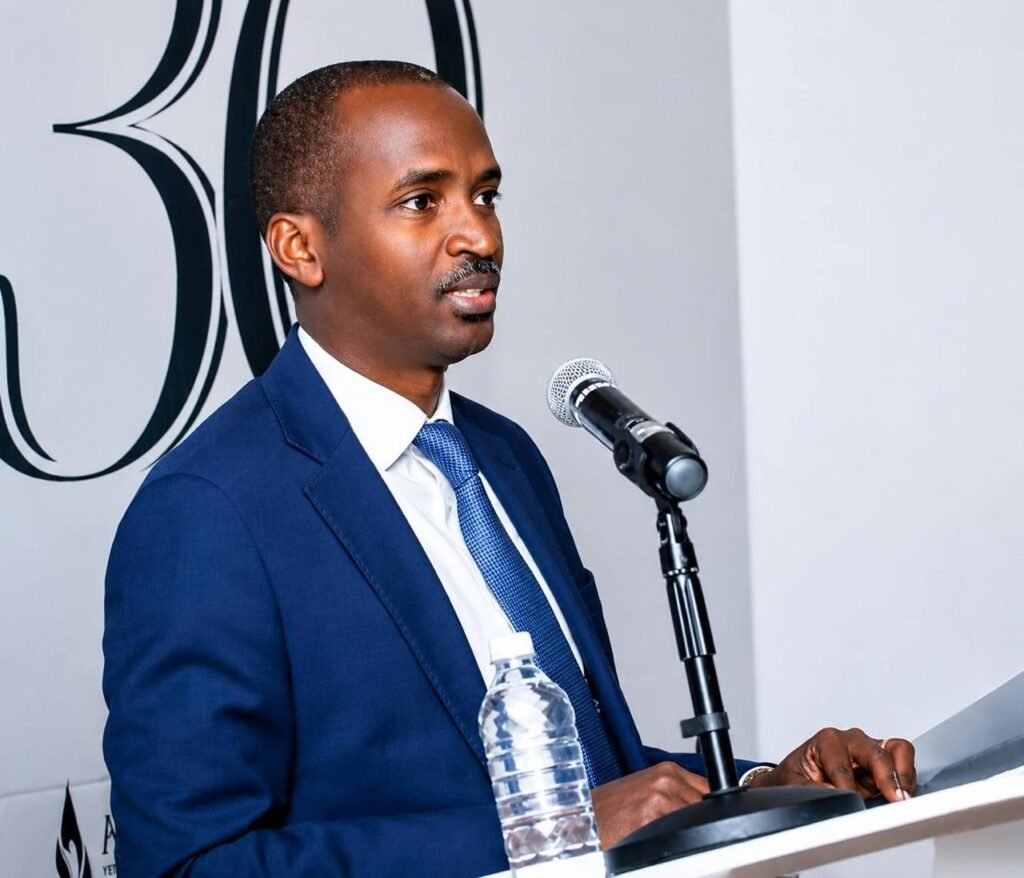
The use of diplomatic missions as instruments of intimidation, surveillance, and coercion has increasingly been associated with what international human rights organizations describe as transnational repression. Among Rwandan refugee communities across Africa and beyond, have emerged that certain embassy officials operate not only as diplomats, but also as extensions of a broader state security apparatus designed to monitor and silence dissent abroad.
In Zimbabwe, members of the Rwandan refugee community have raised serious concerns regarding the conduct of First Secretary Vianney Karangwa, who operates under Ambassador James Musoni. Refugee advocates said that Karangwa has used threats of being placed on state-backed “terrorist” or “extremist” watchlists as a means of extorting money from vulnerable exiles. These accusations reflect a pattern frequently reported by dissidents living outside Rwanda, where administrative power and diplomatic influence are weaponized to intimidate political opponents and refugees.
Although Vianney Karangwa does not occupy a formal combat or command role within the Rwandan Defence Force (RDF), critics argue that his methods resemble tactics historically associated with military intelligence operatives embedded within Rwanda’s global diplomatic network.
The Architecture of Diplomatic Repression
Within the political framework of the ruling Rwandan Patriotic Front (RPF), the systematic harassment of dissidents abroad is often conceptualized through what observers describe as Guhungeta, a term implying relentless persecution, destabilization, or sustained pressure against perceived opponents.
According to refugee advocates and analysts, Rwanda’s diplomatic missions frequently operate through a dual structure involving civilian diplomats and embedded security operatives.
Civilian diplomatic personnel are accused of leveraging administrative authority to exert pressure on refugees and dissidents. This can include withholding passport renewals, restricting consular services, fabricating criminal accusations, or threatening individuals with terrorist labeling and international watchlists. Such tactics create fear among exiled populations, who often depend on embassy services for legal identity, travel documentation, and immigration compliance.
Alongside civilian diplomats, defense and military attachés play a more covert role. These officials, often linked to the RDF or Rwanda’s National Intelligence and Security Service (NISS), reportedly oversee physical surveillance operations, infiltration of diaspora communities, and coordination of intimidation campaigns targeting government critics abroad. Human rights researchers have long argued that diplomatic immunity can provide cover for intelligence-related activities that would otherwise violate host-country laws.
Regional and International Precedents
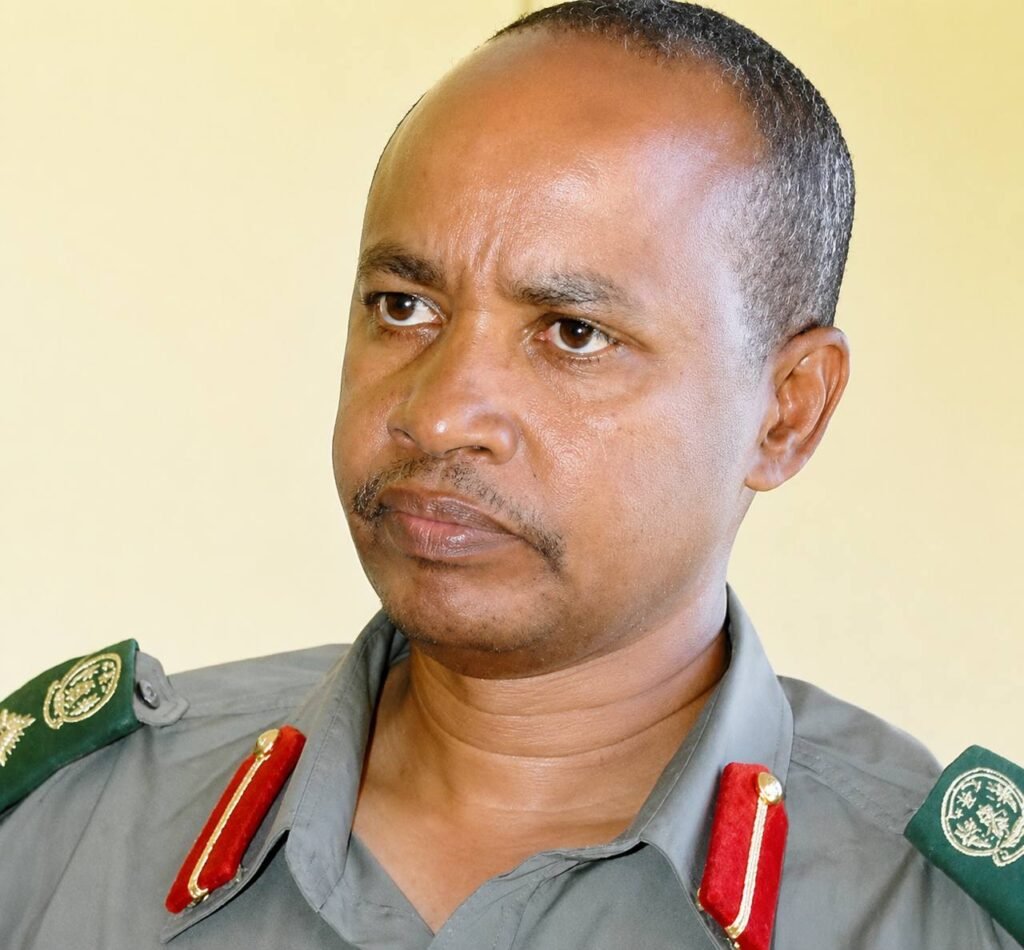
The emerging from Zimbabwe fits into a wider pattern documented across multiple countries over the past decade.
In South Africa, tensions escalated following the 2014 assassination of former Rwandan intelligence chief Patrick Karegeya in a Johannesburg hotel. Karegeya, once a close ally of President Paul Kagame, had become one of the government’s most outspoken critics in exile. Around the same period, former Rwandan army chief General Kayumba Nyamwasa survived multiple assassination attempts. South African authorities later expelled several Rwandan diplomats, with investigators linking the plots to operatives connected to the Rwandan Embassy in Pretoria.
Elsewhere in Eastern and Southern Africa, dissidents have also reported surveillance and intimidation preceding violent attacks. In Mozambique, an opposition-linked figure, Revocat Karemangingo, was killed after reportedly raising concerns about threats connected to diplomatic intermediaries. Similar fears have periodically surfaced in Kenya and neighboring states hosting Rwandan refugee populations.
In Europe and the United Kingdom, security agencies have likewise expressed concern over Rwandan transnational activities. In 2011, British police warned several Rwandan dissidents living in London that they faced credible threats to their lives. European intelligence reports have also periodically raised concerns about the misuse of diplomatic resources, including diplomatic vehicles and embassy channels, to monitor exiled communities.
Escalation Through Digital Surveillance and Extraordinary Renditions
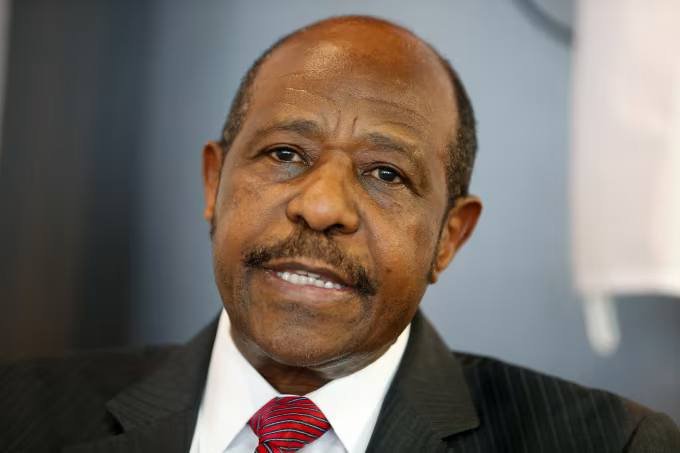
Human rights observers argue that when intimidation and financial coercion fail, authorities often escalate toward digital espionage, forced disappearances, or extraordinary rendition operations.
One of the most controversial examples remains the case of Paul Rusesabagina, internationally known for his role during the 1994 genocide and later depicted in the film Hotel Rwanda. Rusesabagina was lured onto a private aircraft under false pretenses before being transported to Kigali, where he was arrested and prosecuted. Critics and international legal experts described the operation as an extrajudicial kidnapping facilitated through deception and covert coordination.
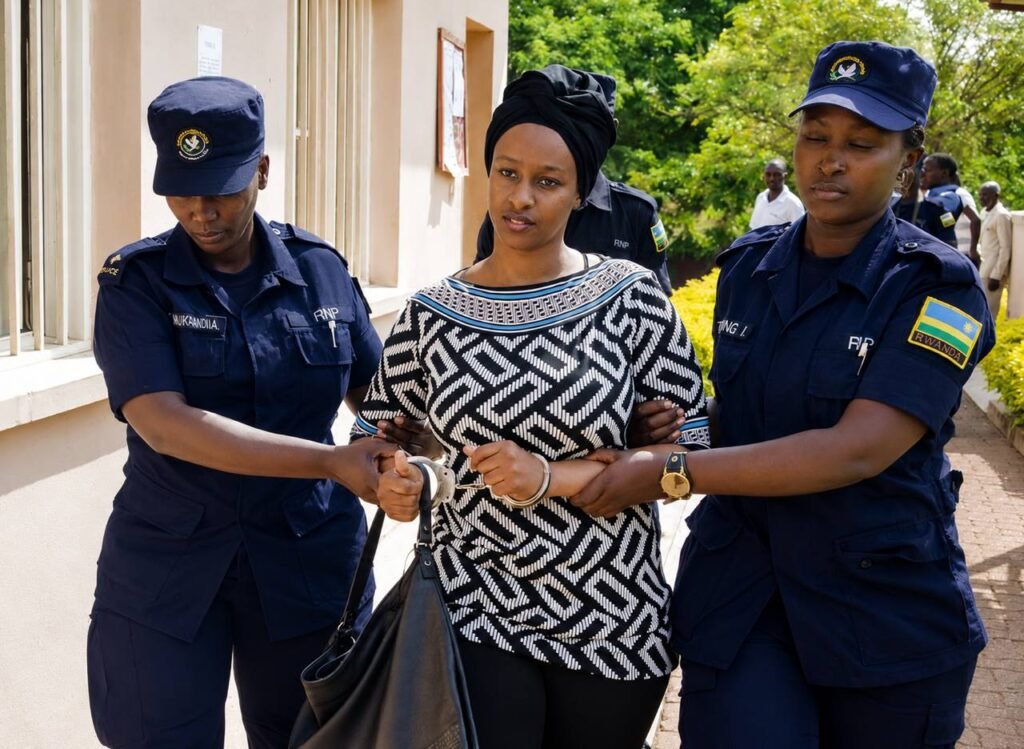
Digital surveillance has also emerged as a significant concern. Investigative journalists linked to the Forbidden Stories consortium reported that the phone of Anne Rwigara, a prominent government critic and daughter of the late businessman Assinapol Rwigara, had been targeted using Pegasus spyware. Anne Rwigara died in the United States in December 2023 following sudden health complications, though no official evidence publicly established a direct connection between her death and surveillance activities. Nevertheless, her family had endured years of political persecution, including business seizures, imprisonment, and sustained state pressure after entering opposition politics.
The use of spyware such as Pegasus demonstrates how modern transnational repression increasingly combines traditional intelligence operations with sophisticated cyber-surveillance tools capable of tracking individuals across borders.
Refugees, Interpol, and the Politics of Criminalization
For many ordinary refugees, the threat is less dramatic but equally devastating. Advocacy organizations have repeatedly accused authorities of exploiting international policing mechanisms to criminalize political opponents abroad. Refugees claim that embassies sometimes threaten them with accusations of terrorism, genocide ideology, or anti-state extremism in order to force compliance or discourage political activism.
Refugees argue that the fear of fabricated criminal accusations leaves many exiles vulnerable to extortion, silence, and self-censorship. Even the possibility of being flagged through international systems such as Interpol can create serious immigration and legal consequences for refugees living in foreign countries.
The Cost of a Global Diplomatic Network
Rwanda’s extensive diplomatic footprint has also generated criticism regarding public spending and national priorities. Despite being widely praised for modernization and economic reforms, Rwanda remains heavily dependent on international development assistance and continues to face substantial socioeconomic challenges.
Rwandans question the financial burden of maintaining embassies across numerous countries, particularly in locations with limited trade or economic exchange with Rwanda. Some opposition figures and diaspora organizers argue that the expansion of diplomatic missions serves not only economic and political goals, but also strategic security objectives tied to monitoring refugee populations abroad.
Within Rwanda itself, concerns have periodically been raised regarding embassy expenditures and whether resources devoted to foreign missions could instead strengthen healthcare, education, and domestic welfare programs.
I strongly condemn the ongoing pattern of intimidation, surveillance, forced disappearances, and killings targeting Rwandan dissidents, refugees, and government critics abroad. No government should use diplomatic missions, security networks, or international systems to threaten, silence, extort, or eliminate people simply because they hold different political views.
The allegations described in this article are deeply disturbing and deserve serious international attention. Human Rights Watch has also documented Rwanda’s extraterritorial repression, including threats, surveillance, kidnappings, physical attacks, and killings of critics abroad. Cases such as Patrick Karegeya’s assassination, the attempted killing of Kayumba Nyamwasa, and the forced disappearance concerns around Paul Rusesabagina show why independent investigations and accountability are urgently needed.
I stand in solidarity with Rwandan refugees, survivors, families of victims, and all those living in fear because of political persecution. Embassies must serve citizens, protect rights, and promote diplomacy — not become instruments of fear. The international community, host governments, human rights organizations, and African institutions must investigate these allegations, protect refugees and dissidents, and ensure that those responsible for transnational repression are held accountable. Silence only protects the perpetrators. Justice, truth, and human dignity must prevail.
We call on the Government of Rwanda to immediately cease all unlawful acts against Rwandan refugees accross the world and to uphold its obligations under international human rights and refugee law.
Specifically:
Immediately stop any harassment, intimidation, detention, forced to contribute money, extrajudicial action ,killing, or violence directed Rwandan govement.
Guarantee the physical safety and legal protections of refugees and asylum-seekers, including access to asylum procedures and due process.
Allow unfettered access for independent international and local human rights monitors and humanitarian agencies to investigate alleged abuses and deliver assistance.
Promptly investigate and transparently prosecute any officials or agents credibly implicated in crimes against refugees, and provide effective remedies and reparations to victims.
Cooperate with the UN High Commissioner for Refugees, the UN Human Rights Council, and relevant regional bodies to ensure accountability and long-term protection measures.
We urge the international community to support urgent monitoring, independent investigations, and targeted measures to ensure refugees’ safety and uphold the rule of law.
In additional we are calling the UN High Commissioner for Refugees, the UN Human Rights Council, and other related NGO to provide refugee documents for those rwandan refugees stayed in SADEC COUNTRIES.
They do not have refugees documents because RPF INKOTANYI accuse them Rwandan genocide, where that genocide was made by fpr inkotanyi +Iinterahamwe whether is fpr inkotanyi or interahamwe both tribe hutus and tutsi were included.